

Changing handling habits
Despite legislation and better risk management, Musculoskeletal Disorders (MSDs) remain one of the most frequent types of work-related injury across most industry sectors.
Pristine Condition and its founder, Davy Snowdon says companies can reduce handling injuries by changing people’s habits. This has three components: individuals’ buy-in to the change; monitoring take-up of the change; and management support to maintain the change.
When it comes to manual handling training though, conventional wisdom overlooks one simple fact. The body doesn’t tell you every time you get it wrong, only when you’ve got it wrong too often; and then it’s too late.
Consider the most extreme manual handling tasks you’ll come across; Olympic Weightlifting. Injury is a huge fear for any athlete and weightlifters are no exception, yet even when they fail a lift, they don’t get injured. Why? Olympic Weightlifting has evolved, with athletes striving for anatomical technical perfection, minimising the pressure they place on their body. Result? Even though they’re moving weights far beyond so-called “safe” guidelines, weightlifters are rarely injured trying.
It proves that avoiding injury is not primarily about weight, but about technique.
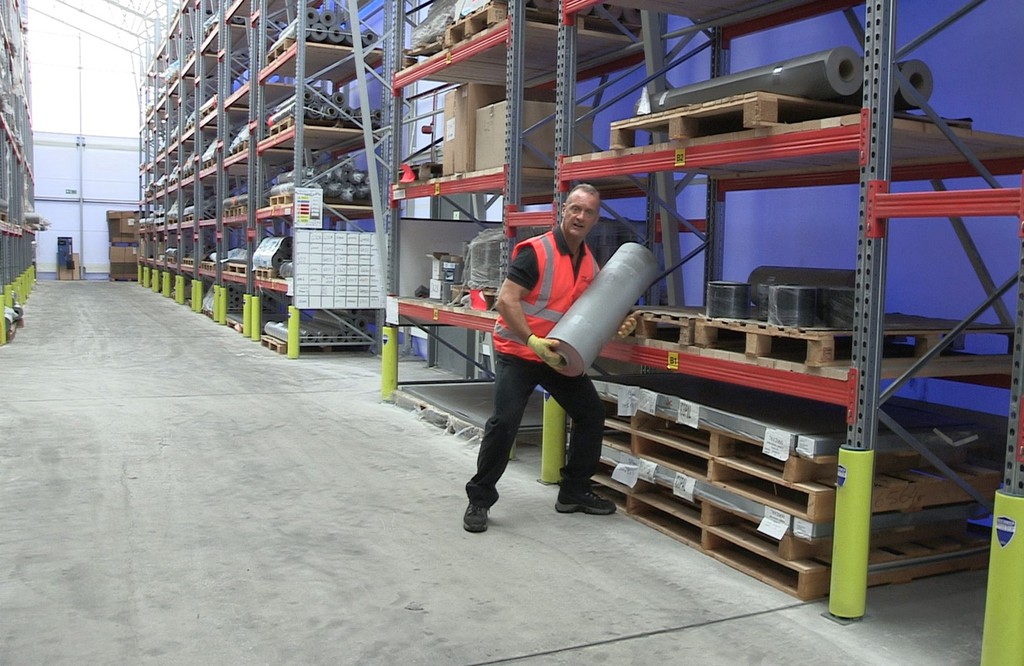
Conversely, conventional manual handling training is too generic, using unrealistic scenarios of lifting empty cardboard boxes from perfectly flat floors onto precisely positioned, waist-high tables. Your employees’ workplace isn’t like that, so don’t be surprised when they don’t buy into that message.
Faced with patronising techniques which don’t work in their real world, employees quickly revert to old habits. Worse still, they emotionally disengage from the whole process, so their belief now is “you can’t do it like that where I work”, which then goes unchallenged.
To get employee buy-in, you need to deliver practical training, using realistic lifting principles that individuals buy into because they genuinely believe will work, are easy to follow and apply to every scenario they face.
Ignorance on correct handling technique
Walk into most warehouses without High Visibility PPE and you’ll quickly be challenged by someone off the shop floor about your behaviour. Why? Because the company has made it abundantly clear what is right and what is wrong. Staff understand the difference and with that understanding comes the confidence to challenge.
But with poor handling technique, supervisors don’t know what “right” is, even if they instinctively know something is wrong. So they don’t have the knowledge to correct poor technique, or then, the confidence to challenge that behaviour.
So not only do you need to train the workforce, you also need to train front line managers how to spot and rectify incorrect technique.