

Far Eastern promise
Chinese eCommerce companies are extremely active in the UK, especially as a result of US tariffs, says Liza Helps, Property Editor, Logistics Matters.
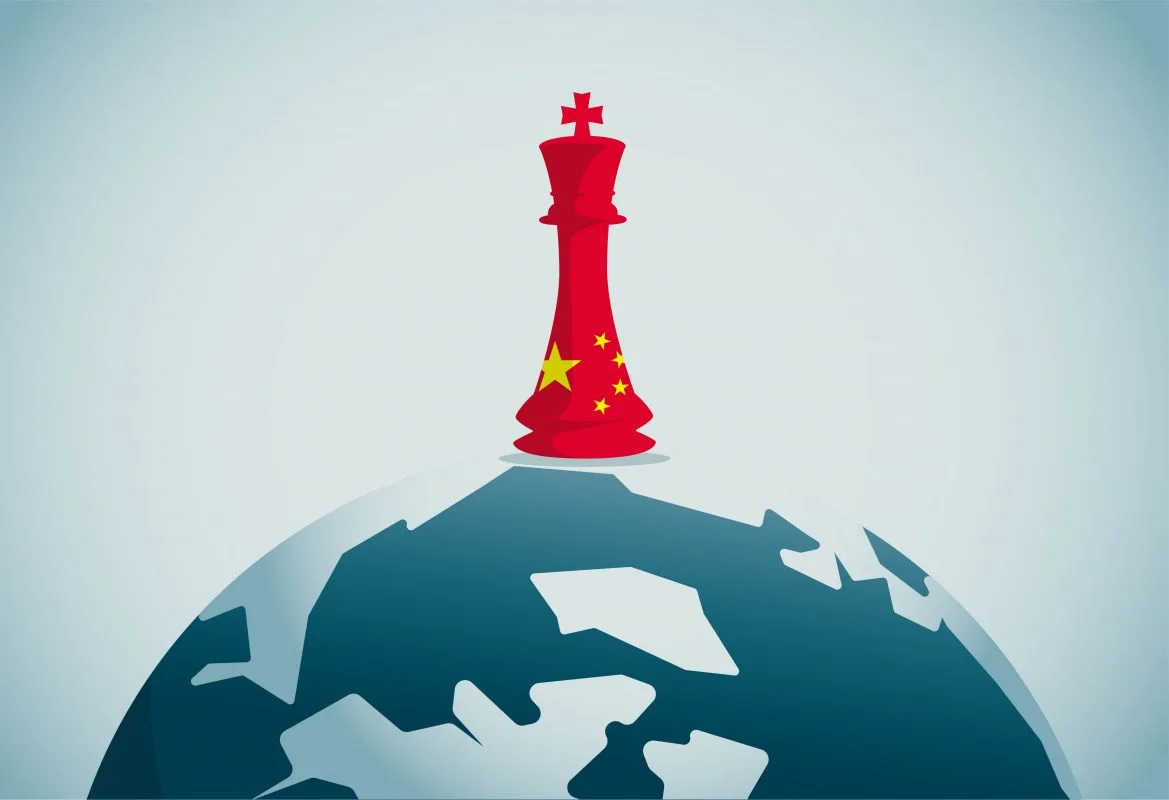
TRUMP’S TARIFFS have diverted Chinese goods from America to alternative markets in Continental Europe and the UK.
The latest activity is part of a long established trend of ever increasing Chinese ecommerce footprint in the UK, but there now seems to be more of an edge, as Knight Frank’s head of logistics and industrial research Claire Williams says: “Chinese ecommerce platforms have been scaling up their operations in the UK market and expanding their UK-based supply chains and stock holdings in order to offer same or next day delivery options.”
She points to Chinese ecommerce and logistics giant JD.com which is aiming to offer an alternative to Amazon. Logistics Matters has revealed that the conglomerate has ambitions to set up its own UK logistics network and is live with a same day delivery offering for customers in London via its joybuy.com ecommerce platform. This launched in the UK in April following the acquisition of more than a dozen ultra urban sites across the capital.
Its ambitions don’t stop in the UK. It announced in October last year that it wanted to double the amount of warehouse space outside China by the end of 2025. According to Statista research the company had 1,600 warehouses in 2023.
In the UK this year alone the company’s logistics arm has secured some one million ft2 in four transactions excluding the 14 or so ultra urban depots in London.
It has taken a lease on Apollo 7 on Ansty Park in Coventry totalling some 117,000 ft2 as well as two units at PLP’s PLP MK development in Milton Keynes totalling 531,519 ft2 and Oxenwood’s OX277 in Dunstable totalling 277,628 ft2 of space. The company has active requirements for multiple units nationwide ranging from 200-500,000 ft2.
Williams points out that JD.com is not the only active Chinese online retailer or 3PL to have taken space this year. She highlights Top Cloud Logistics signing a 15-year lease for on DC6, a 164,103 ft2 newly built facility at Prologis’ 65-acre Prologis Park Midpoint in Birmingham, West Midlands and Cirro Fulfillment trading as Super Smart Service securing two warehouses, NFU and Ergo joint venture Aver’s 354,000 ft2 warehouse at Fradley Park, Lichfield and Panattoni’s 345,284 ft2 warehouse at Panattoni Park J28 Central M1 in the Midlands.
It is rumoured one deal with a Chinese 3PL this year was a direct result of Trump’s Liberation Day tariffs with goods in containers on their way to the US diverted to the UK and the deal going through in some six weeks.
Agency Newmark has some 600 potential Chinese-based occupiers/brands who may look to come to the UK and Europe. One new entrant to the UK this year is Daals, a Chinese owned furniture manufacturer and retailer which has taken a long lease on a 301,591 ft2 warehouse at JD.com property subsidiary Jingdong Property’s speculative four unit Apollo warehouse scheme at Ansty Park in Coventry.
Newmark’s head of Industrial & Logistics Analytics Will Laing believes reimagining of global tariffs have a lot to do with the upsurge of interest in the UK and Europe with companies looking to re-route trade flow. Williams agrees and adds that recent moves in the US and now Europe to scrap the ‘de minimis ‘tariff exemptions will bring added impetus.
De minimis exemptions mean that international exporters are not subject to duties that would otherwise apply to low-value packages. In the UK, it means buyers can import goods valued at under £135 without any customs charges, aiding the rise of cheap Chinese export businesses like TEMU and SHEIN.
Originally de minimis exemptions were meant to help small businesses and sole traders not eCommerce conglomerates, but the loop hole has allowed the likes of SHEIN and TEMU to boom. In the year to April 2025 the HMRC put the trade value of de minimis imports to the UK at £5.9 billion – up 53% on the previous year with no signs of slowing down.
Trump ended the de minimis exemption for goods from China in May while the EU plans to remove its €150 threshold by 2028.
Williams says that the political pressure is mounting in the UK to follow suit, driven by concerns over the influx of low-value Chinese goods following the US move and the desire to protect domestic retailers.
She believes that if implemented, the removal of the threshold would encourage further expansion by Chinese firms, accelerating investment in UK-based supply chains and warehouse operations.