

Automated container loading: a smarter approach to logistics
Automated container loading systems improve logistics by reducing time, costs, and risks associated with manual loading, leading to greater efficiency, safety, and sustainability.
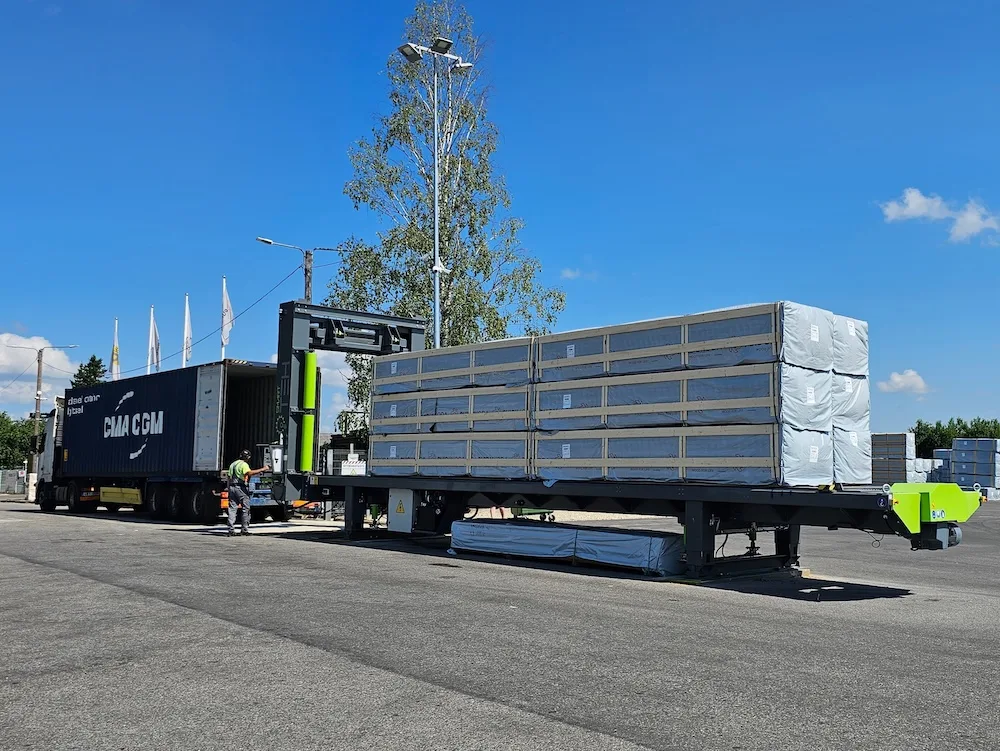
LOADING CONTAINERS has traditionally been one of the most time-consuming and physically demanding steps in logistics. Forklifts, large crews, and long hours at the loading dock often mean higher costs, slower turnaround times, and a greater risk of errors.
On top of that, businesses face challenges like cargo damage, rising labour expenses, and difficulty scaling operations during peak demand.
Automated container loading systems are designed to address these exact issues. By replacing manual work with a controlled, one-shot loading process, they help companies improve speed, efficiency, and safety across the supply chain.
The main benefits of automated container loading
Greater efficiency and speed
In logistics, time is money. Automating the loading process can cut loading times by up to 70%, reducing what used to take hours down to minutes.
- Consistent loading times – fewer manual steps mean less chance of delays.
- Higher container throughput – more containers can be loaded in a single day without extra staff.
- Shorter dock cycles – goods can be preloaded on the system and pushed into a container as soon as the truck arrives.
Cost savings
Manual loading often requires large teams and heavy reliance on equipment. Automation reduces both:
- Lower labour costs – a single operator can handle the process.
- Reduced equipment expenses – less forklift usage means fewer repairs and lower maintenance.
- Insurance savings – fewer accidents and injuries can help bring down premiums.
Improved safety
Cargo loading is physically demanding and comes with safety risks. Automation makes the process safer for both people and goods.
- Less cargo damage – controlled, precision loading prevents goods from shifting or breaking.
- Safer workplaces – fewer risky manual tasks reduce the likelihood of injuries.
- Better ergonomics – less heavy lifting and repetitive motion for staff.
Smarter use of space
Container space is valuable, and wasted room quickly adds up. Automated systems optimise every inch.
- Maximum cargo utilisation – goods are stacked and aligned efficiently.
- Organised loading areas – less clutter at docks and warehouses, freeing up space for other operations.
Sustainability gains
Efficient loading isn’t just good for business – it’s better for the environment, too.
- Lower emissions – fewer trips and less truck idling reduce fuel use.
- Energy savings – reduced reliance on forklifts and shorter loading times cut energy consumption.
- Less packaging waste – precise stacking reduces the need for excess protective materials.
Scalability and consistency
Logistics demands can shift quickly. Automation helps businesses adapt without disruption.
- Easy to scale – handle peak periods without extra staff or overtime.
- Reliable results – the process is standardised, so every container is loaded the same way.
- Extended operating hours – loading can continue longer with minimal downtime.
How automated container loading works
First, the cargo is arranged on the loading machine for smooth, one-shot loading. When the container arrives, the system’s gripping clamps secure it to prevent any movement during the loading process.
Next, the loading plate pushes the goods into the container in one controlled motion. Once the cargo is inside, the stopper bar holds it in place while the plate retracts. Finally, the clamps release, the container departs, and the system is immediately ready for the next load.
This sequence takes less than 10 minutes, delivering greater speed, precision, and safety than manual loading.
Where automation makes the biggest impact
Automated container loading systems are versatile and used across many industries. A few examples include:
- Warehousing and distribution – faster container turnover to meet tight schedules.
- Timber and metal industries – efficient handling of heavy or irregularly shaped goods.
- Construction – safe loading of bulky materials and prefabricated elements.
- Manufacturing – smoother transition from production lines to shipping.
- Food, beverage, and pharmaceuticals – careful handling of sensitive or fragile products.
The case for automation
Automated container loading isn’t just about replacing manual work – it’s about creating a faster, safer, and more reliable logistics process.
By cutting loading times, reducing costs, and improving both safety and sustainability, these systems help businesses stay competitive in a demanding global market.
For companies preparing for growth, automation means fewer delays, fewer risks, and more efficient use of resources – a foundation for long-term competitiveness.