

Good intentions…
Logistics Matters Property Editor Liza Helps examines the upcoming Budget.
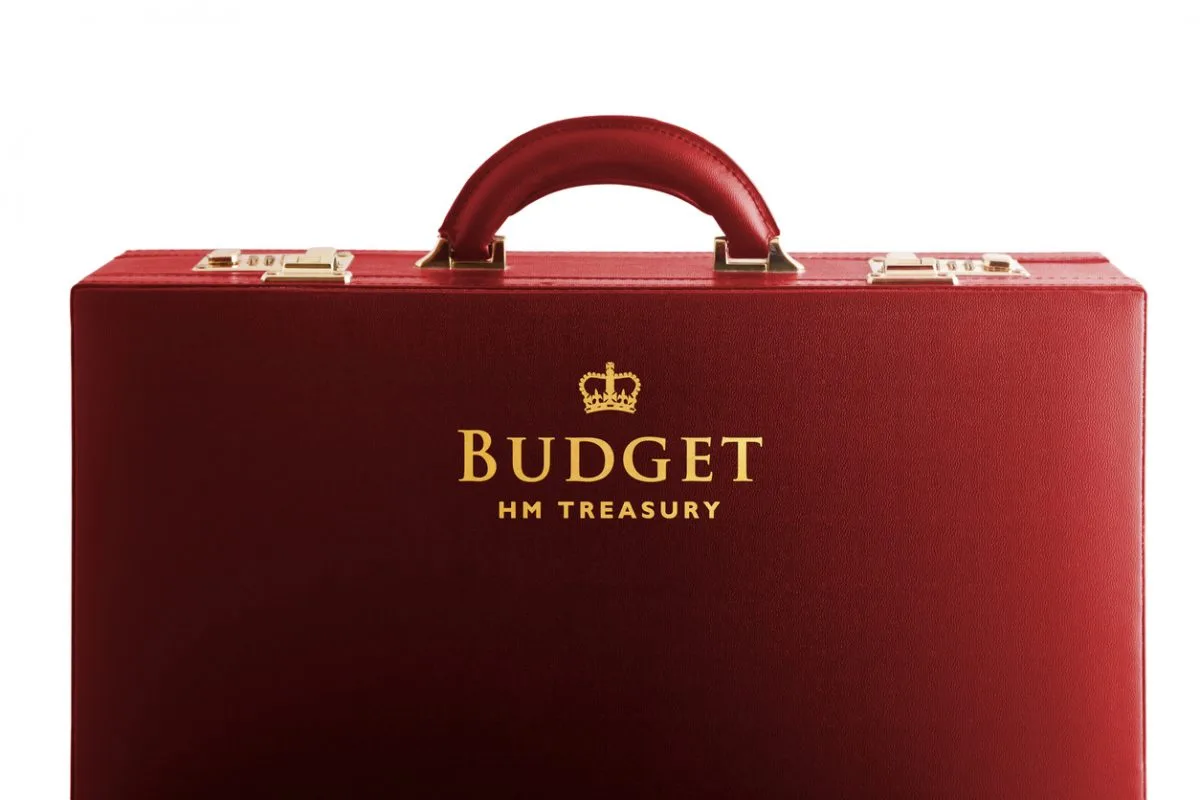
IN HER last Budget the Chancellor announced that high street retail, hospitality and leisure properties will get a permanently lower business rates multiplier from 2026/27 and that any shortfall in the total amount of business rates collected (currently some £29 billion a year) will be made up from those operators and occupiers of properties with an rateable value of £500,000 or more which said the Government ‘includes the majority of large distribution warehouses including those used by online giants’.
Rateable value is an estimate by the Valuation Office Agency of how much it would cost to rent a property for a year – which is revalued every three years – the last revaluation was set at values as of April 2021 the next will set values as of April 2024. Between April 2021 and April 2024 rent levels particularly in the industrial and logistics sector rocketed by circa 25% according to property consultancy Savills.
Business rates are calculated by multiplying the rateable value by the Government set business rates multiplier.
For 2024/25 the standard multiplier is 54.6 pence, so simplistically, if a property had a rateable value of £500,000, it would have business rates liability of £273,000 – add in the 10p supplement and that same property will now have a business rates liability of £323,000 – an increase of £50,000 (18.3%).
However, add in the fact that same property’s rateable value has increased by 25% in line with the rise in rents between 2021 and 2024, then the new rateable value could be as high as £625,000. Then, factor in that the standard business rates multipliers are also expected to increase in line with the September 2025 Consumer Prices Index figure of 3.8% – unless the Government intervenes to cap or freeze them – the business rates liability (as long as the Chancellor does not increase the multiplier above September CPI) for 2026/27 would be £416,687.50 – a £143,687.50 increase (52.6%).
And we haven’t even factored in all those properties which were under the £500,000 threshold that will now be over it, due to a rise in rents.
It is this double/triple whammy that is causing so much concern and not just for industrial and logistics occupiers it will also affect supermarkets – in fact Grocers including Tesco, Asda, Sainsbury’s, Lidl, Aldi, Iceland, Waitrose and M&S and Morrisons signed a letter in October to the Chancellor warning that households would ‘inevitably feel the impact’ of any potential tax increases on the industry, such as higher business rates for supermarkets.
In April this year in a joint response to the UK Government’s Transforming Business Rates consultation, investor developers including SEGRO, Prologis, Tritax Big Box, Logicor and Indurent called for a more balanced approach to reform.
The group argued that the proposal to apply a higher business rates multiplier to all properties with a Rateable Value above £500,000 would have unintended consequences, disproportionately affecting high-street retailers, manufacturers and SMEs that rely on efficient logistics infrastructure who would absorb the financial burden.
According to the investors, only 11% of space in their portfolios is occupied by e-commerce businesses, while 66% is used by transport, logistics, manufacturing and retail occupiers.
This of course will all come into play a year to date after the surprise increase in employers NICs and the rise in the minimum wage – it seems every year business has to brace itself for operational costs rises driven by political dogma and there is only so much it can absorb.
They say the road to hell is paved with good intentions…