

Is your warehouse racking prepared to meet the demands of 2026?
The warehouse of today is one we would not recognise from a decade ago. Automation, new ‘smart’ systems, growth in online sales and the need to hold more stock are putting warehouses under increasing pressure. Ensuring your warehouse operates at peak performance is crucial. Keeping up with these demands while also creating a safe workspace requires an approach that maximises every part of your warehouse, starting with the basics – your racking.
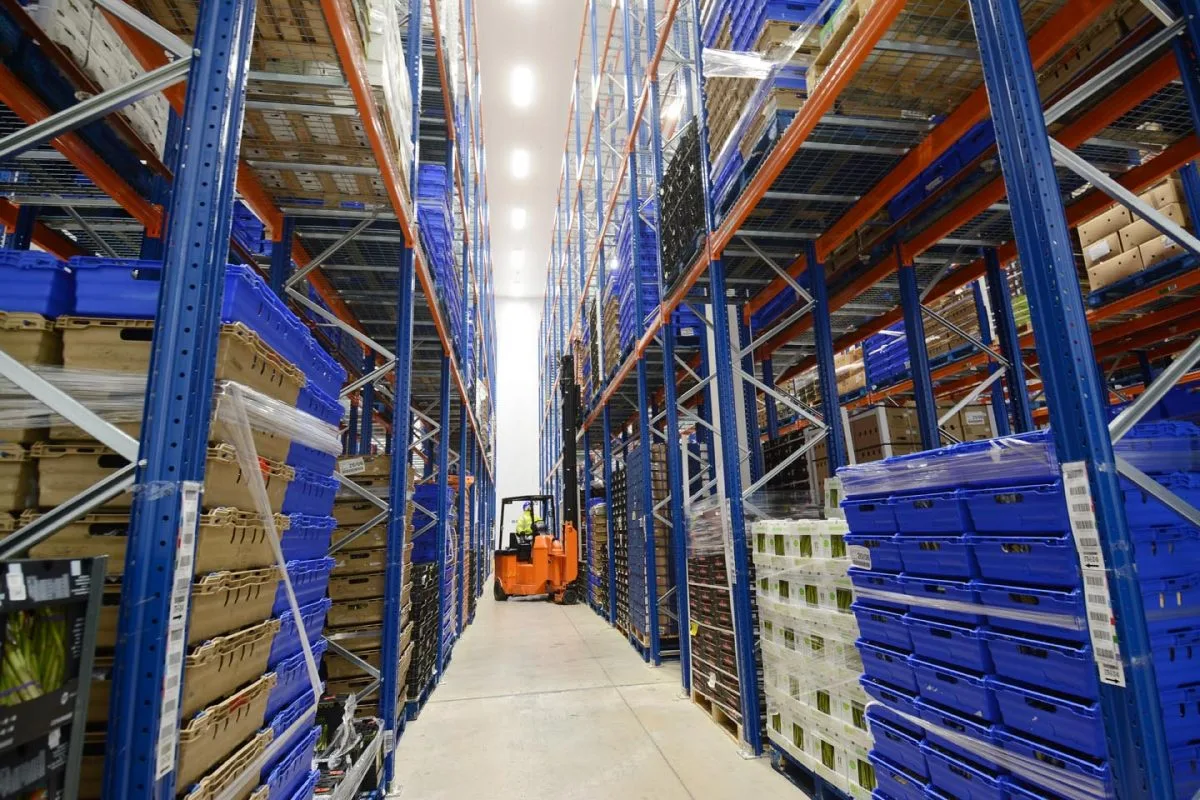
WHEN RACKING systems perform as intended, they often go unnoticed. But when they are damaged, incorrectly loaded or poorly maintained, the impact is immediate. A single failure can block aisles, disrupt workflows and damage stock. Even worse, they put employees working nearby at risk.
As 2026 gathers pace, warehouse owners and managers must prioritise racking by moving towards a preventative approach rather than treating racking as an afterthought.
Where responsibility lies for your racking
As warehouse operations evolve, your approach to racking also needs to adapt. In high-pressure environments, safety is sometimes seen as a series of isolated checks – addressed after an incident, during routine maintenance or when inspections are due. This reactive mindset is increasingly out of step with the realities of modern warehousing.
In practice, racking safety is shaped across its entire lifecycle – from the design and installation of the equipment, right through to correct use and inspections that identify damage. While suppliers, installers and inspectors all play important roles, ultimate accountability for safe storage systems sits with warehouse owners and managers.
When something goes wrong with your racking, it’s the decisions you make that are examined! Fail to demonstrate you have implemented best practice across all stages of your racking’s lifetime and the HSE can issue hefty fines and, in worst-case scenarios, a prison sentence.
Know your racking regulations
When looking to improve your racking, the best place to start is by understanding the regulations. Racking is ‘work equipment’ and therefore falls under HSE legislation such as the Health & Safety at Work Act and Provision and Use of Work Equipment Regulations, which mandate regular maintenance. However, this legislation only offers guidance once the racking is on the warehouse floor. It does not offer guidance on racking design requirements, employee training or safe installation.
For more specific guidance, you need to look at two industry documents. ‘HSG76 Warehousing and Storage: a guide to health and safety’ sets out best practice within the warehouse. The document covers manual handling, working at height and site transport as well as racking and shelving equipment. SEMA Codes of Practice, which are relevant to anyone with responsibility for storage equipment, go further by providing detailed guidance on the design, installation, use and maintenance of racking.
Racking designed for your warehouse
If you change one thing in 2026, start with your racking suppliers. Decisions made during the design of your racking will heavily influence how it operates, the load it can carry, the flow of stock and the safety of the structure.
When racking is designed without a comprehensive understanding of operational demands or installed without adherence to recognised standards, weaknesses can be introduced from the outset. These issues may not make themselves known immediately, but over time, they will affect the safety of your racking.
When working with a supplier, you need to run through a checklist of requirements. Some of the questions you need to ask include:
- Do they work to industry standards such as SEMA Codes or the European Code EN 15512, which ensure your racking meets necessary safety requirements and works as intended once in the warehouse?
- Do they have the correct insurance documents in place?
- Are they working with trained installation teams?
- Do they understand loading conditions for the structure?
To save time, work with suppliers who are independently audited to check they meet industry standards, for example, SEMA Approved Members.
Racking in use on the warehouse floor
As soon as your racking is operational on the warehouse floor, responsibility for its safety sits with you.
Daily use, impacts, loading patterns and wear and tear will put strain on your racking, so the first step is to appoint a Person Responsible for Racking Safety (PRRS). This is usually undertaken by a health and safety manager or similar role who has been trained on how to recognise racking damage and is knowledgeable on industry requirements. They check that racking inspections are completed, repair work is acted upon, and employees follow best practice. They also play a key role in identifying where damage regularly occurs and putting measures in place to prevent it from happening.
The next step is to train your employees. This training ensures they understand how to work safely in areas with racking, how to correctly load the racking and how to recognise damage on the structure and where to report issues.
Don’t forget racking inspections
Inspection and maintenance are critical for identifying emerging damage before it escalates. The problem is, undertaking regular inspections can easily slip down the priority lists, or if they are carried out, the damage is not fixed. There are two levels of inspections to follow.
Visual Inspections are carried out by competent members of your team. This type of inspection is regularly carried out to identify damage to the structure and check the correct use. They will submit a written report on their findings to the PRRS for action. To prepare employees for this role, you need to send them on a training such as SEMA’s Rack Safety Awareness course.
The second inspection is the Expert Inspection, which is carried out at least once a year. This type of inspection can only be carried out by a qualified professional, such as a SEMA Approved Racking Inspector (SARI). This in-depth inspection should check the structural stability of your racking, compatibility with other equipment, ensure correct loading is being followed and record damage with a timescale for repairs.
Are you ready for safer racking in 2026? If you take your warehouse seriously, download SEMA’s Stay Racking Safe guide, which outlines your responsibilities.