

The rise and rise of 3PLs
The logistics landscape is undergoing a period of significant strategic realignment, DHL’s Martin Willmor explains to Logistics Matters editor Simon Duddy.
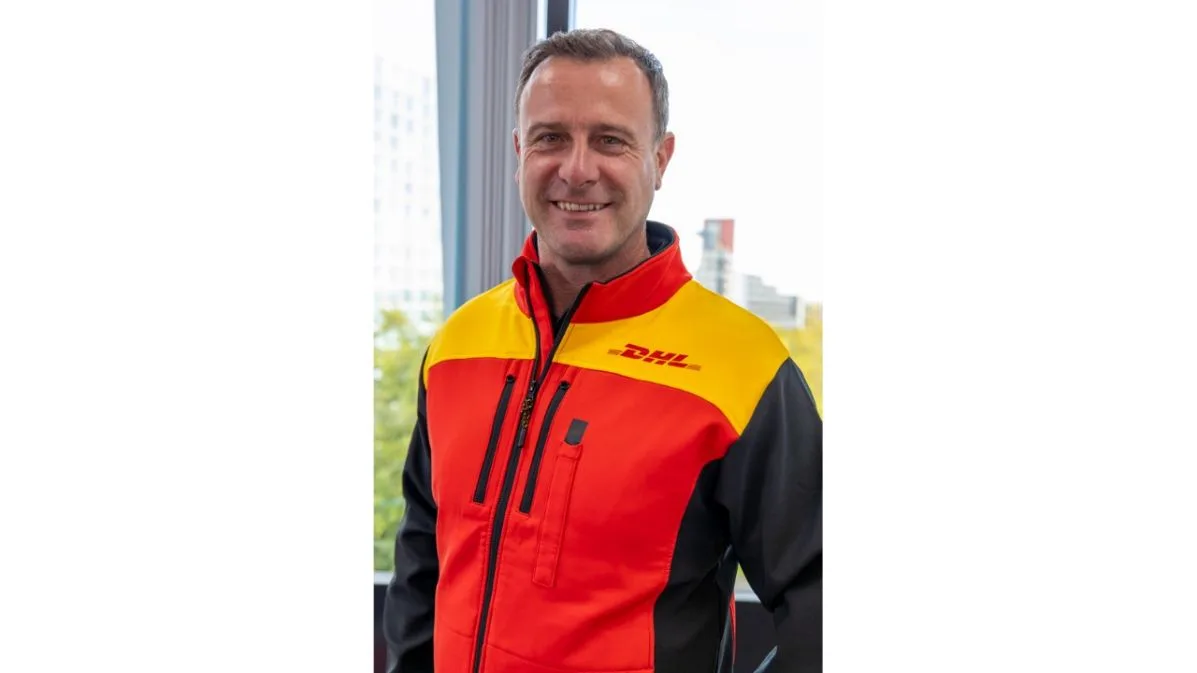
THERE IS a growing trend among customers to move away from dedicated, single-user facilities in favour of shared, fully automated solutions managed by third-party providers. This shift is reflected in recent business performance for DHL Supply Chain, where over half of new contract wins originated from entirely new customer relationships, says UK & Ireland CEO Martin Willmor.
A central component of DHL’s strategy to fulfil this growing need involves a ten-year outlook on property and transport. The focus is on ensuring that facilities are geographically positioned to take advantage of existing infrastructure and future power availability. This approach is designed to navigate a market defined by geopolitical shifts, technological advancements, and evolving customer requirements.
Infrastructure
Infrastructure remains among the most significant hurdles for the future of UK logistics. While power generation is often cited as a concern, the primary issue is the distribution network and the fitness of local substations.
Martin says: “We putting in ASRS and looking to electrify our fleet. It requires a lot of power. Our Corby facility is a good example of where the infrastructure has been strong, but we have other sites, where we have acquired land and there is a two-year lead time in terms of power requirements.”
DHL is actively lobbying the government to ‘ensure infrastructure is developed ahead of need’, rather than as a reactive measure.
Sustainability
Stepping sideways from power to sustainability, regulations regarding vehicle payloads and dimensions often complicate the adoption of sustainable technologies for 3PLs like DHL. For instance, aerodynamic improvements that lengthen a vehicle by a matter of centimetres require specific approvals, and the weight of batteries in electric HGVs can reduce the effective payload, necessitating more vehicles on the road to move the same amount of goods.
Sustainability efforts are also being driven through digital insights. The company is on track to meet its group decarbonisation targets, focusing first on removing unnecessary journeys and then transitioning to sustainable fuels like HVO or gas. The focus for the coming year is expanding these efforts to Scope 3 emissions by working with subcontractors.
New challengers
The competitive environment is also changing. Amazon Supply Chain Services (in the USA for the moment) is a major new player influencing the market, with some large-scale customers reportedly seeking alternatives for their fulfilment needs.
Martin says: “We’re keeping a watching brief, it’s not too dissimilar to what they do today. What are seeing, in fact, is that a lot of big customers that are actually moving away from Amazon Flex, as an example, because Amazon have not got the capability or the capacity within their warehousing environment.”
Supply chain transformation
Digital transformation is another pillar of the DHL strategy, with a heavy emphasis on data quality. Artificial Intelligence is being deployed primarily where it can be scaled, with customer service being a primary use case. Multilingual AI tools are now used to manage complex logistics, such as patient transport in London, where they can handle bookings in various accents and languages around the clock.
Martin says: “The AI capability software can only work if you have got good quality data, and often the source of that data is still people.”
The integration of Digihaul into the wider DHL framework has allowed the company to leverage data for better fleet utilisation. By managing over 4,000 heavy goods vehicles through connected control towers, the company can reduce empty running and optimise routes. This asset-light approach provides the flexibility to scale capacity up or down instantly, which proved critical for customers recently affected by cyber incidents.
As the industry looks toward the next decade, the required skillset for logistics is shifting. While legacy skills in driving and inventory management remain essential, there is a growing demand for advanced data expertise.
Martin explains: “I am talking about data scientists and data architects. We are investing in our infrastructure and our team to centralise our data services.”
With this move away from gut-feel operational decisions and towards a system architecture driven by clean, actionable data, DHL intends to build a logistics network to cater to customer needs long into the future.