

Diesel tops £2 a litre as campaigners call for emergency fuel duty cut
UK diesel prices have climbed past an average of £2 per litre, prompting campaign group FairFuelUK to call on the Government to cut Fuel Duty by 10p immediately rather than wait for the Budget on 28 October.
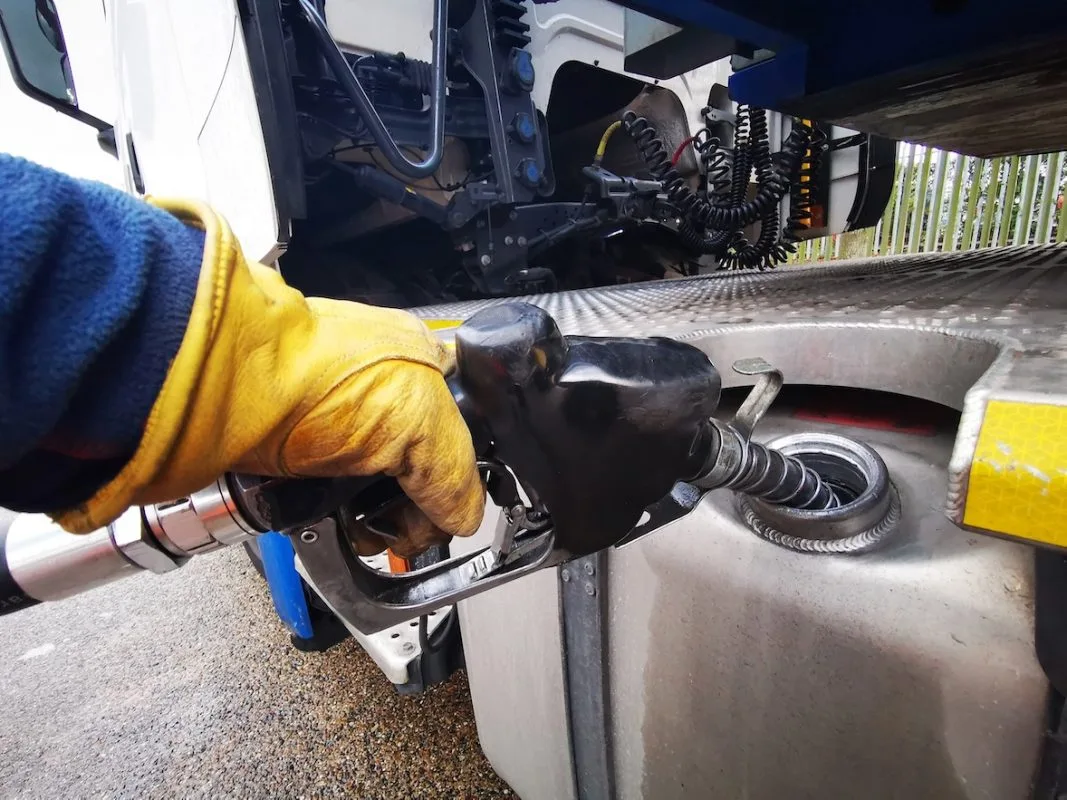
THE UK Fuel Price Index puts diesel at 200.3p per litre, with thousands of forecourts charging between £2.05 and £2.18. Government weekly figures show 197.9p, rising at the fastest rate since March 2022, while RAC data records an all-time high of 199.18p.
Wholesale diesel has risen by 11p in seven days, driven by tighter US exports and global supply losses of more than 1.6 million barrels per day linked to refinery outages and conflict. Analysts warn diesel could reach £2.20-£2.25 within weeks.
FairFuelUK says haulage costs have risen by 8-12% in the last month, and that a 10p cut would save £3,000-£5,000 a year on a 44-tonne truck. More than 70% of UK diesel supply is imported.
Howard Cox, founder of FairFuelUK, said: “Diesel has smashed through £2 per litre, and the Government is still twiddling its thumbs. Every day they delay costs drivers money they simply don’t have. Waiting until October 28 is not leadership; it’s negligence.”
One owner-driver subcontracting in the aggregates sector said he was paying an extra £1,800 a month for fuel, adding that “it’s impossible to secure a haulage rate increase to cover full costs”.
Karin Ström, VP at supply chain procurement consultancy Proxima, said surcharges linked to published diesel indices are generally recognised as the fairest way of managing a volatile cost. “The real challenges arise where fuel is included within a fixed transport rate. In those situations, some suppliers have been forced back to customers to renegotiate, whilst others have simply walked away from unprofitable work,” she said.
“The central issue is that very few haulage companies are in a position to absorb prolonged cost increases. While these costs are now filtering through to the end customer, the worst is yet to come. Large retailers with significant inventories may still be selling products procured before the latest spike in energy costs.”
Jamie Reid, associate director of UK road freight at Baxter Freight added: “The mistake shippers make is treating a fuel spike as something to wait out. When diesel resets higher and stays there, the businesses that keep their costs under control are the ones that have already looked at how they move freight, not just what they pay for it. Consolidating loads and shifting the right traffic onto rail both cut your exposure directly, and the time to plan them is now, while the pressure is visible.”
FairFuelUK is also calling for oversight of wholesale-to-retail pricing and a diesel resilience plan to reduce the UK’s exposure to volatile imports.