
Is it time to rethink your productivity strategy with electric forklifts?
Not all electric forklifts are designed for the same environments and needs.
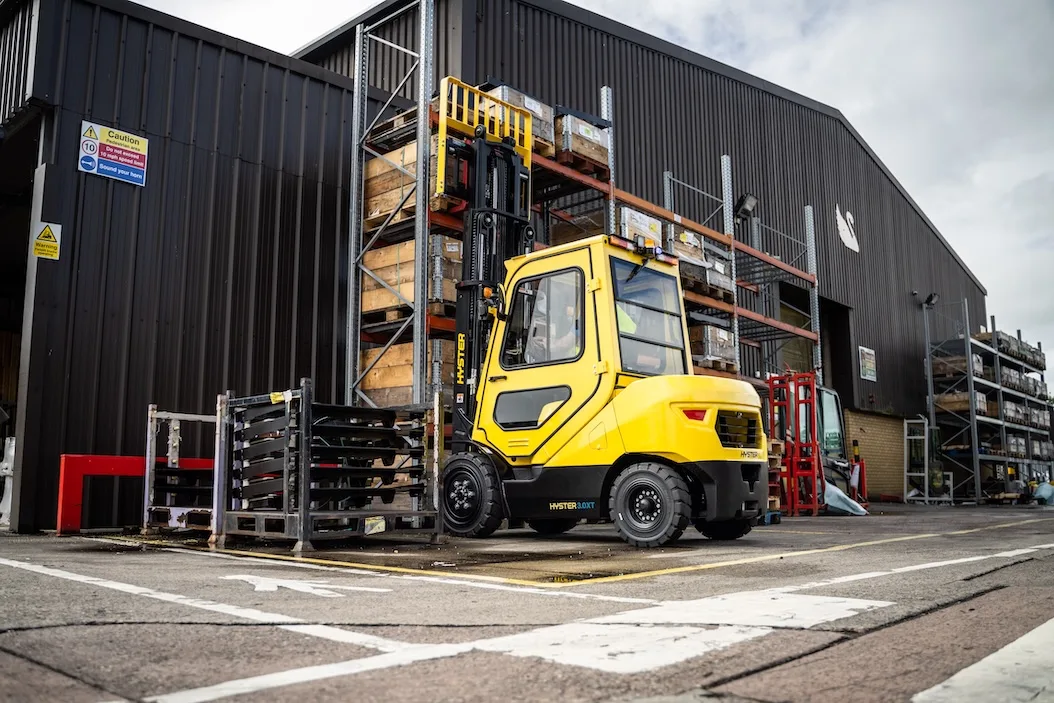
Differences in battery technology, chassis design, tyre configuration, ergonomics, and maintenance requirements can all influence productivity. The right truck specification can help remove hidden delays and support a productive workflow. The Hyster® XTLG series, may offer solutions that directly address inefficiencies without requiring operators to adopt new ways of working.
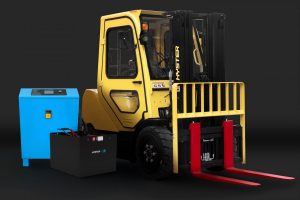
Lead acid vs lithium-ion – No one battery chemistry is ‘better’. The choice depends on the requirements of the application. Integrated lithium-ion batteries, such as those in the Hyster XTLG series, require no battery watering, no battery changes, and no equalisation, removing small, recurring delays that may help support workflow.
In/out operations – The Hyster XTLG electric forklift series has high ground clearance and large superelastic tyres to help support productivity across mixed conditions, including on manufacturing sites, and in building materials applications, timber yards, and other demanding environments.
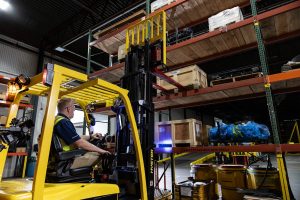
Designed for operators – To help counteract discomfort and fatigue, the Hyster XTLG electric forklifts from 2-tonnes to 7-tonnes, incorporate low-noise operation, reduced vibration, ergonomic controls, comfortable seating, and wide-view mast configurations.
Multi-task environments – Electric forklifts designed to handle a broader range of duties can help simplify operations. Hyster J2.0-3.5XTLG models combine manoeuvrability for indoor applications with the durability required for outdoors.
Electrification: not one-size-fits-all
Battery technology, truck architecture, operator comfort, and application suitability can all impact daily efficiency. But electric lift trucks, including lithium-ion forklift models like the Hyster XTLG range, demonstrate how thoughtful engineering can help turn inefficiencies into productivity gains.