

Northpoint upgrades forklift fleet to cope with uneven floors and dusty conditions
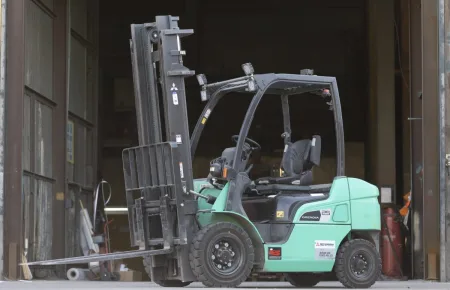
Dukinfield-based powder coating specialist Northpoint has taken delivery of four Mitsubishi EDiA EX electric counterbalance trucks and one GRENDiA ES diesel truck from Jofson, modified to cope with uneven flooring, dust and limited visibility across its site.
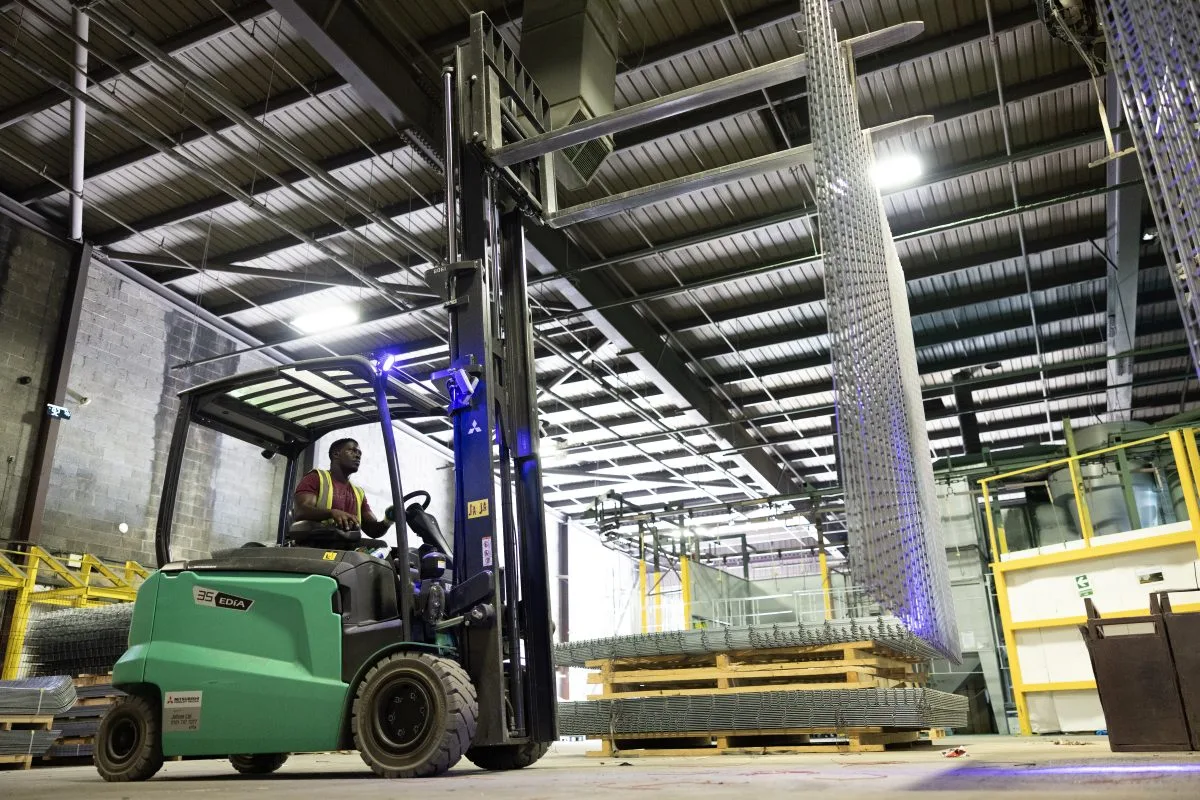
NORTHPOINT MOVES and ships around 250 tonnes of high-value, customer-owned materials every week, from components for water infrastructure and oil and gas pipelines to marine structures. Any damage in transit is repaired at the company’s own cost.
Dale Newton, senior logistics manager at Northpoint, said: “Having a reliable fleet that can cope with our increasing demands is so vital, and the truth is that older models of trucks simply aren’t able to keep up with the pace of our operations. The site has variable levels of ground, and our older trucks didn’t have the appropriate suspension, making operations uncomfortable and less efficient.”
Each truck is fitted with radar-based speed control that automatically reduces speed by 3km/h when entering the warehouse. Hydraulic accumulators reduce the shocks and vibrations that could damage goods, while low-dust, non-marking tyres cut airborne debris to improve operator visibility. A diff-lock improves traction on wet surfaces.
The fleet also has full MOT lighting, front and rear blue lights, and fleet management with daily safety checks to prevent unauthorised use.
The electric trucks are partly powered by Northpoint’s 740 rooftop solar panels, supporting the company’s sustainability goals.
Newton added: “It’s great to make efficient use of the roof space we have. Plus, the new fleet batteries aren’t being drained as quickly, which helps keep us productive for longer.”
Northpoint has worked with Jofson, its local Mitsubishi Forklift Trucks supplier, since 2017.
Kevin Gorman, sales director at Jofson, said: “We worked closely with Dale and the team and invested the time to find out what they needed from this latest delivery. Whether it was to create a more sustainable future for the business or reduce driver discomfort, we wanted to create a fleet that accurately reflected its needs.”