

You automated the warehouse. Did you forget the box?
Warehouse automation is changing how orders move through fulfilment centres. Storage, picking, conveying and sortation can all be highly automated, with each investment designed to make the operation faster, more efficient or easier to scale.
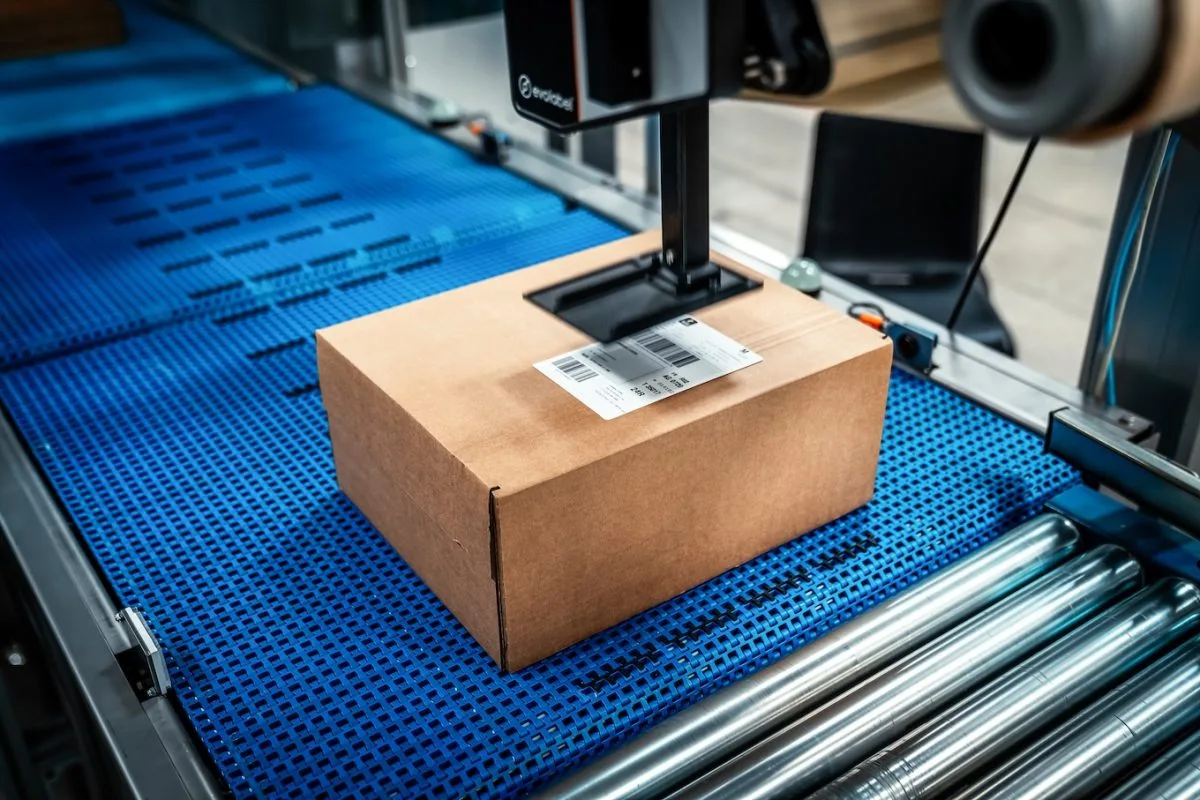
BUT FOLLOW an order through the warehouse and something interesting can happen. After passing through sophisticated automated systems, it reaches packaging. And suddenly, the process can become much more manual.
That matters because fulfilment performance is not determined by the fastest piece of automation in the building. It depends on how effectively an order moves through the entire operation, from release to despatch. So as businesses invest in warehouse automation, there is a simple question worth asking: does the automation strategy go all the way to the box?
Follow the order, not the machine
Automation projects are often designed to solve a specific operational challenge: increasing throughput, reducing dependence on scarce labour, making better use of space or creating capacity for growth. But improving one part of the fulfilment flow can change what is required from the next.
The point is not that manual packaging is inherently a problem. Nor is more automation automatically the answer. Packsize, provider of automated packaging solutions, argues that the more important question is whether packaging supports the performance of the fulfilment process as a whole. That is why automation is better viewed by following the order, rather than the machine. What happens next matters just as much as what happens faster.
The box changes what happens next
Packaging has an unusual position in fulfilment. It does not simply process an order; it determines the size and shape in which that order continues its journey. The finished parcel then moves through conveying, sortation, staging and despatch before entering the carrier network. Packaging decisions can therefore have consequences well beyond the packing area.
Right-sized packaging creates packaging according to the requirements of individual orders rather than requiring every order to fit within a predetermined selection of standard box sizes. Depending on the operation, Packsize solutions can range from operator-assisted packaging to highly automated systems integrated into the wider fulfilment flow. The objective is not automation for automation’s sake. It is making packaging work with the operation around it.
Whether designing a new facility or upgrading an existing one, that means looking beyond individual machines and following the order all the way to despatch. Because as warehouses become increasingly automated, there is one question worth asking: does your automation strategy go all the way to the box?
For businesses seeking more efficient, less wasteful transit packaging, information on Packsize’s range of right-sized packaging solutions can be found at www.packsize.co.uk.