
UK cold chain needs smarter automation to build resilience, says Daifuku
The UK’s cold chain needs a new approach to investment, with intelligent automation essential to improving resilience, efficiency and food security, according to a new white paper from logistics automation specialist Daifuku.
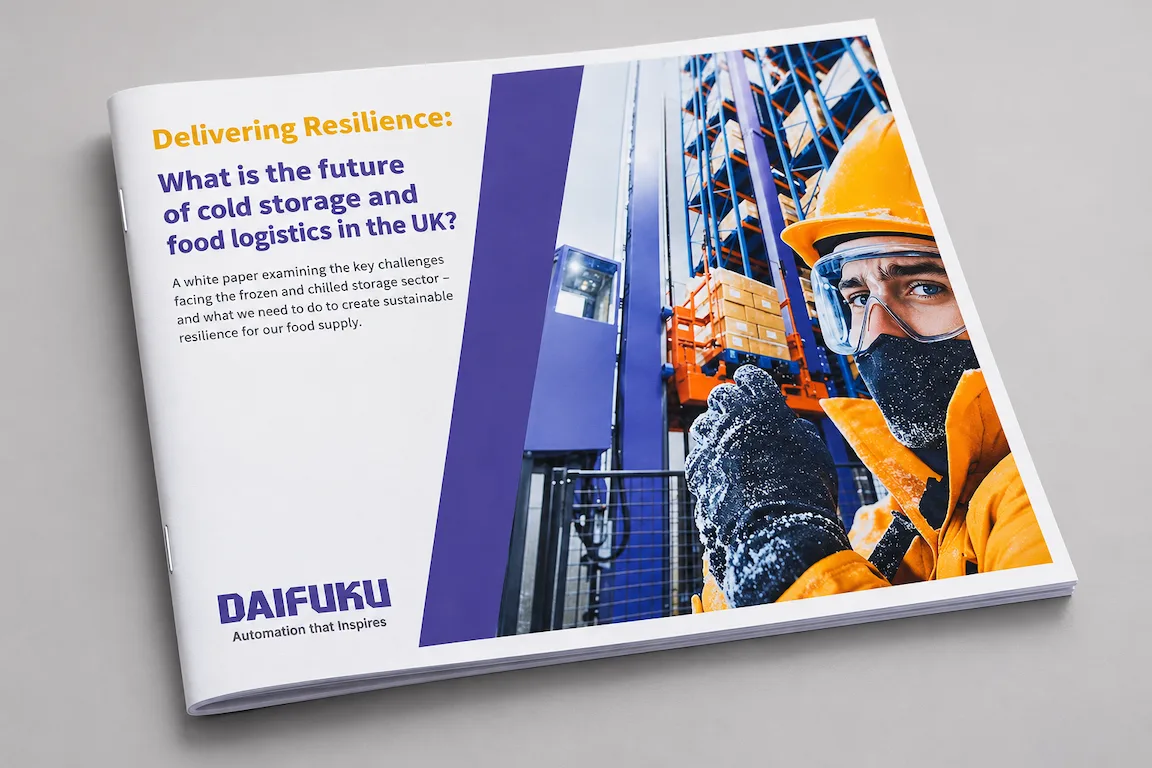
Delivering Resilience: What is the future of cold storage logistics in the UK? examines the growing pressures facing the frozen and chilled sector, from rising energy costs and labour shortages to increasing SKU complexity, changing consumer expectations and supply chain disruption.
The report highlights the strategic importance of an industry that stores and distributes more than 50% of the food consumed in the UK. The sector employs around 184,000 people, operates close to 100,000 refrigerated vans and trailers and contributes approximately £14 billion to the UK economy*.
However, much of the infrastructure supporting the cold chain was designed for a very different operating environment. The paper cites estimates that around 70% of UK third-party cold storage capacity is more than 20 years old, creating an urgent need to modernise existing facilities while increasing capacity and operational resilience.
Russell Hutchinson, business development manager, Daifuku Europe, says the sector can no longer be regarded simply as another part of the logistics infrastructure. He said: “The cold chain is critical national infrastructure. It underpins food security, supports international trade and plays a fundamental role in keeping essential products moving across the UK.”

“The answer is not simply to build more warehouses. We need to invest intelligently in technologies that address genuine operational challenges – improving storage density, reducing reliance on scarce labour, protecting product quality and using energy more efficiently.
“Automation should never be an end in itself. The right technology, applied to the right operation, can deliver measurable commercial benefits while making the cold chain more resilient for the future.”
The white paper examines five key operational priorities for cold-chain operators: service continuity, labour resilience, capacity resilience, supply-chain responsiveness and product protection. It also explores how technologies including automated storage and retrieval systems, shuttles, goods-to-person picking, conveyors and integrated control systems can address these challenges.
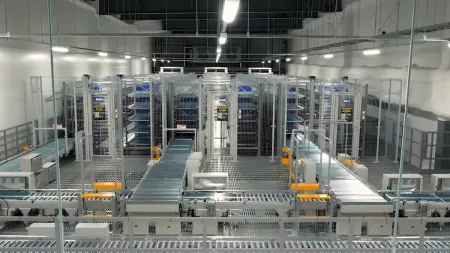
Drawing on international case studies, the report demonstrates how automation is already being used to increase storage capacity, reduce manual handling in sub-zero environments, improve stock control and protect product quality.
Daifuku concludes that the UK does not simply need more cold storage, but a smarter, more resilient and energy-efficient cold chain – supported by technology that delivers clear operational and commercial returns.
The full white paper, Delivering Resilience: What is the future of cold storage and food logistics in the UK? is available to download here: https://bit.ly/48lTxbs
* Data obtained with permission form the UK Cold Chain Federation.