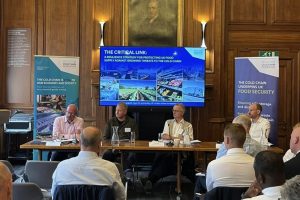


Cold Chain Federation drops diesel TRU phase-out dates
The Cold Chain Federation (CCF) has withdrawn the industry’s targets for phasing out diesel-powered transport refrigeration units (TRUs), saying years of government inaction have made them unachievable.
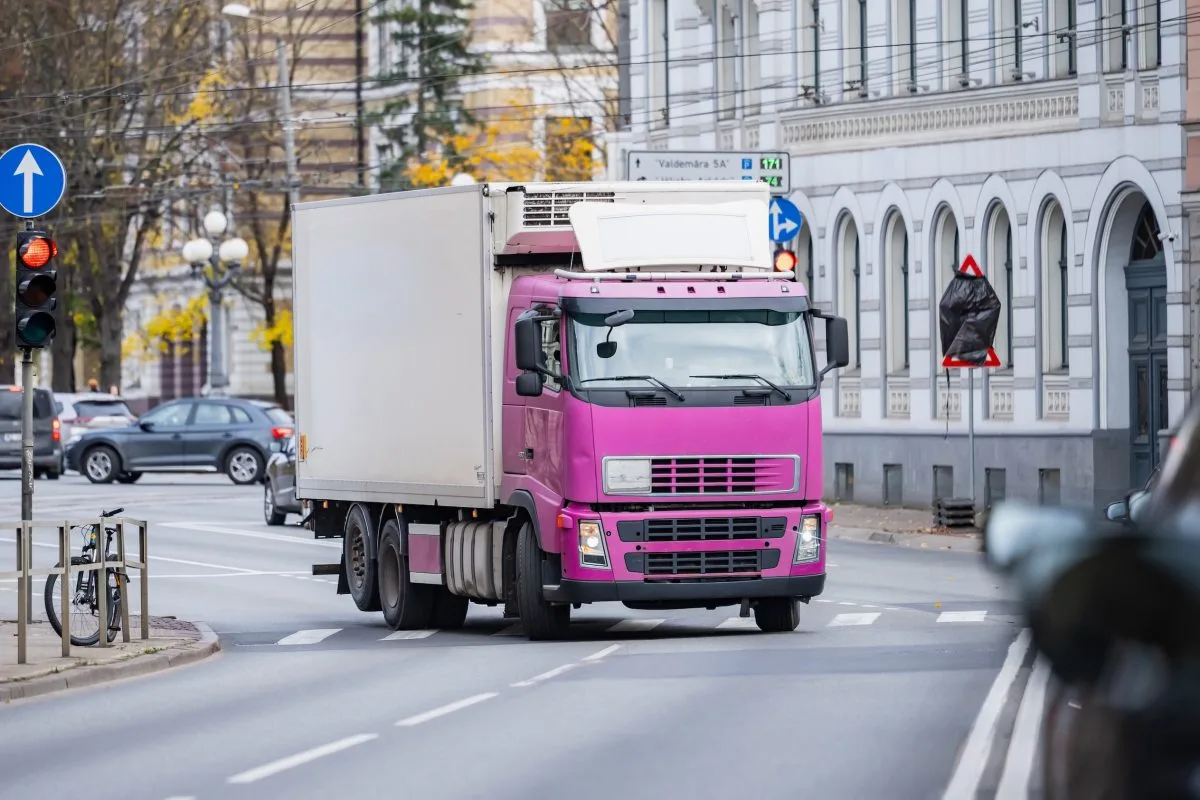
IN 2021, the industry committed to ending sales of new diesel TRUs by the end of 2029 and removing them from UK roads by 2040. The CCF’s new report, Reducing Emissions from Transport Refrigeration: A Roadmap for Government and Industry, says these dates are no longer realistic because the Department for Transport (DfT) has failed to take ownership of TRU decarbonisation or provide investment.
An estimated 47,750 diesel TRUs operate in the UK. According to the CCF’s 2026 TRU census, which covered 13,598 refrigerated assets, more than 90% of operators are already cutting emissions through measures such as route optimisation and reducing empty running. However, alternatives including HVO and fully electric refrigeration account for less than 5% of surveyed refrigerated trailers.
The census also found that 89% of operators are unsure about, or see no clear government direction on, how and when TRUs will move to low- and zero-emission technologies.
Tom Southall, deputy chief executive at the CCF, said: “Our research has shown that a complete lack of acknowledgement from the government of their efforts or support on challenges is hindering the speed of adoption and creating uncertainty on future policy direction.”
He added that the report also offers “an olive branch” for the government to work with the cold chain industry.
The roadmap sets out a phased approach. In the first phase, the CCF wants the DfT to take clear ownership of TRU decarbonisation and to extend zero-emission vehicle funding and the Depot Charging Scheme to cover TRUs. The second phase would create a national voluntary TRU registration scheme to track the fleet, with the data used to develop a realistic pathway to phasing out diesel units.
Mat Owen, sustainability manager at FreshLinc, said: “Although transport refrigeration units consume considerably less energy than tractor units, our trailers remain in service for more than twice as long. Investment decisions therefore carry significant long-term implications, particularly when future technology and infrastructure remain uncertain.”