

Research predicts AGV surge for seaports
ACCORDING TO ABI Research, worldwide AVG deployments in seaports will have a CAGR of over 26% from 2022 to 2027 and exceed 150,000 global deployments by 2027.
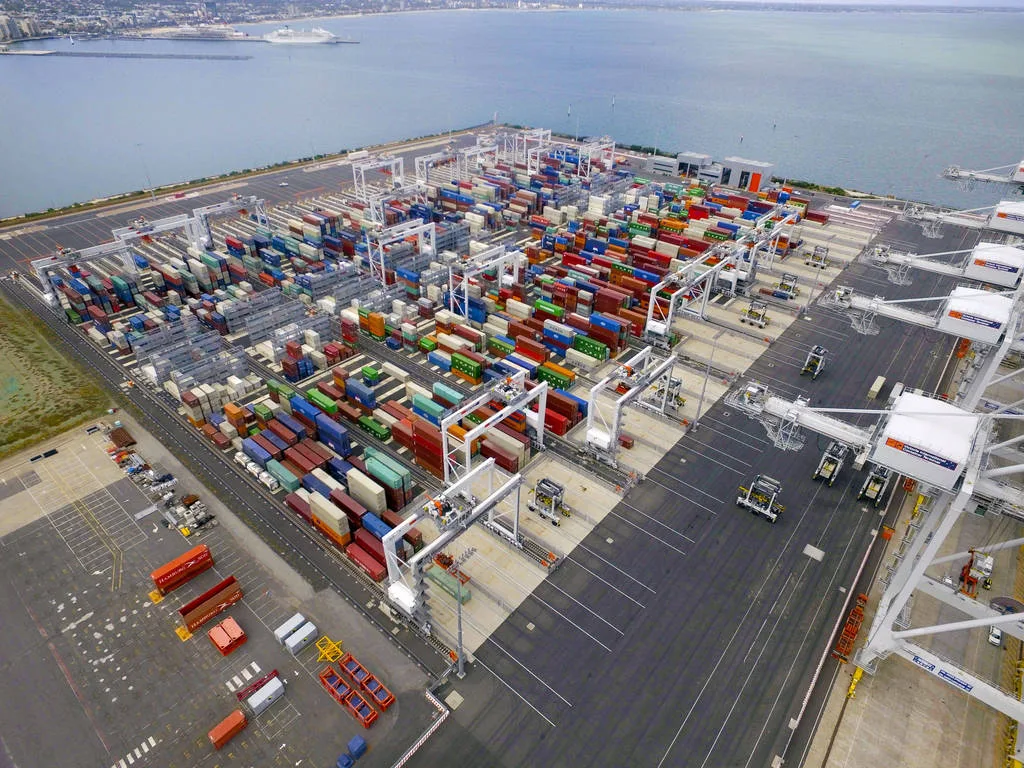
The maritime industry has increased its seaport automation efforts amid ongoing global port congestion issues. In addition to solutions such as gantries, automated port gates, and stacking cranes, horizontal transport solutions such as Automated Guided Vehicles (AVGs) that transport containers and loads to and from ships have been the most productivity-enhancing solution in seaports.
“Automation enhances the reliability, consistency, predictability, and security of port operations. From an environmental perspective, automation can lead to lower energy consumption and a reduced carbon footprint. Automated ports are also far safer than conventional ports. Human-related disruptions fall as performance becomes more predictable with automation and data capture solutions,” explains Adhish Luitel, senior analyst, supply chain management and logistics at ABI Research.
“Automation in various modalities, despite its benefits, can also bring certain drawbacks supply chain managers might need to mitigate. Although automation can streamline workflows, they come at the cost of initial potential productivity losses that come with equipping workers with the right skillsets to operate and maintain these solutions. So, there is a change management aspect that managers and authorities need to be more mindful about,” Luitel adds.