

Confined space preparedness in logistics operations
Warehousing and distribution environments are often evaluated in terms of throughput, storage capacity, and transport efficiency, yet safety risks tied to infrastructure receive less attention despite their direct impact on continuity and compliance.
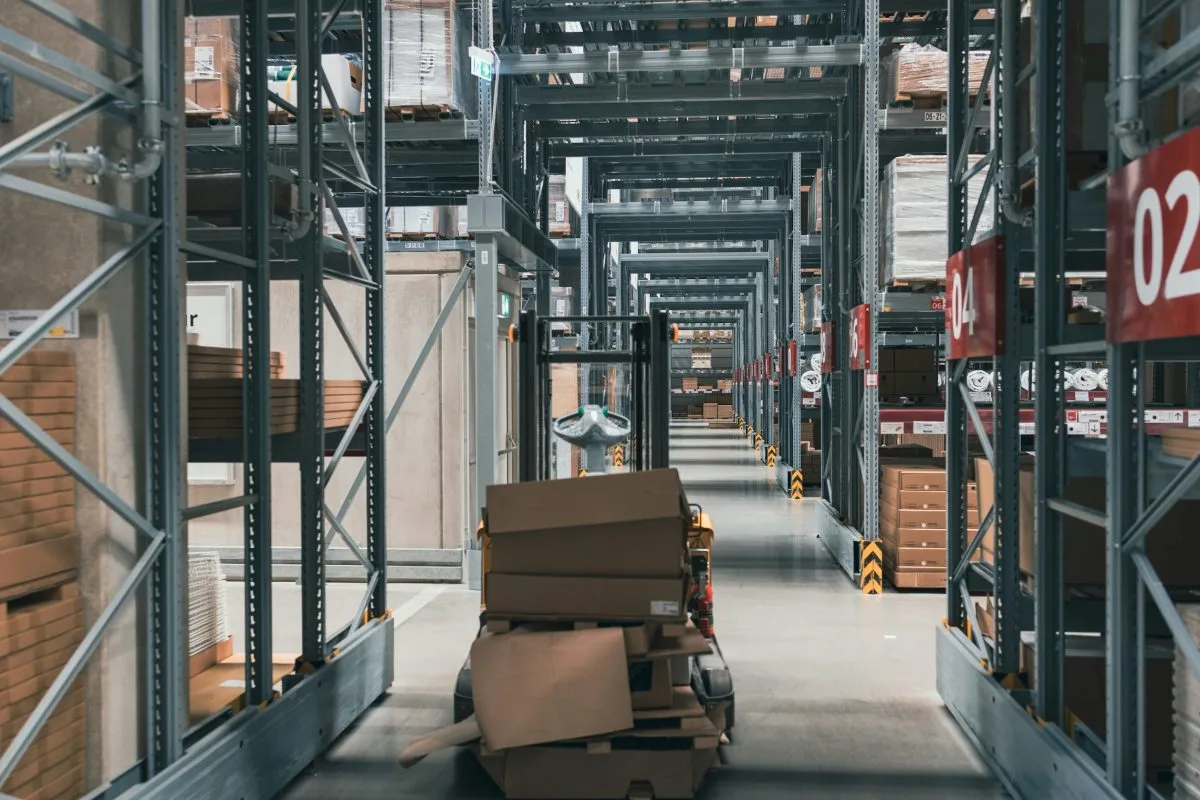
Photo by Salah Ait Mokhtar on Unsplash
ENCLOSED AREAS such as storage tanks, underground service corridors, and maintenance shafts exist across many logistics sites, and these spaces introduce hazards that differ significantly from open operational zones, requiring a more structured approach to risk management and emergency response planning.
Across logistics facilities, confined spaces are not always immediately visible as high risk zones, yet they are frequently accessed for inspection, cleaning, or repair, and this creates exposure to hazards such as limited oxygen levels, restricted movement, and delayed evacuation in the event of an incident. Teams responsible for these tasks often operate under time pressure, which increases the likelihood of procedural shortcuts, making it necessary for organisations to establish clear protocols and ensure that personnel are trained to recognise and respond to these risks effectively.
A structured approach to emergency readiness begins with certified confined space rescue training, which equips personnel with the ability to manage incidents in restricted environments while maintaining their own safety and that of others involved. Training provides a defined framework for assessing hazards, initiating rescue procedures, and coordinating responses, which is essential in logistics settings where rapid decision making can determine the outcome of an emergency.
Hidden risks in logistics environments
Within logistics operations, confined spaces are often integrated into the infrastructure rather than treated as standalone work areas, which means they can be overlooked during routine safety assessments. Examples include drainage systems beneath loading bays, enclosed conveyor tunnels, and storage vessels used in bulk handling facilities, all of which present conditions where airflow is limited and access points are restricted.
Risk factors in these environments extend beyond physical constraints, as atmospheric hazards such as toxic gases or oxygen deficiency can develop without immediate detection, placing workers at risk before warning signs become visible. Restricted entry and exit points further complicate emergency response, making it difficult to evacuate individuals quickly without the correct equipment and trained personnel in place.
Operational impact of confined space incidents
Incidents in confined spaces can lead to more than immediate safety concerns, as they often result in operational disruption that affects broader logistics processes, including delays in distribution, halted production flows, and compliance investigations that require detailed reporting and corrective measures. Even a minor incident can trigger shutdown procedures that impact supply chain timelines and increase operational costs.
Companies that fail to prepare for such scenarios may face regulatory scrutiny alongside reputational damage, particularly in industries where safety standards are closely monitored. A proactive approach that includes training and clearly defined rescue procedures helps reduce these risks while supporting consistent operations across complex logistics environments.
Structured response through certified training
Effective response to confined space incidents relies on more than general safety awareness, as it requires specific technical knowledge and practiced coordination among team members who understand their roles during an emergency. Training programmes focus on identifying hazards before entry, establishing rescue plans, and executing controlled interventions that prioritise both the victim and the rescue team.
Participants develop practical competence through scenario based exercises that simulate real working conditions, allowing them to apply procedures in a controlled environment before encountering actual risks on site. This approach strengthens decision making under pressure and ensures that response actions are consistent with established safety standards.
Building competence in emergency scenarios
Practical training introduces participants to the full sequence of confined space operations, starting with risk assessment and continuing through to rescue execution, ensuring that each stage is understood in relation to both safety and efficiency. Workers learn to evaluate environmental conditions, use monitoring equipment, and communicate effectively with team members during complex situations.
Scenario based exercises form a critical part of this learning process, as they allow participants to engage with realistic challenges that require coordinated responses, reinforcing the importance of preparation and teamwork in high risk environments.
Equipment and rescue techniques
Rescue operations in confined spaces often involve specialised equipment designed to support controlled entry and extraction, including tripod systems, harnesses, and lifting mechanisms that enable both horizontal and vertical rescue procedures. Proper installation and use of this equipment are essential for maintaining stability and preventing additional risk during an intervention.
Training ensures that participants understand not only how to operate these systems, but also when to apply specific techniques based on the configuration of the space and the condition of the individual requiring assistance.
Integrating safety training into logistics operations
Logistics organisations benefit from embedding confined space procedures into their broader safety frameworks, ensuring that all relevant personnel are aware of protocols and that rescue plans are accessible and regularly reviewed. Supervisors play a key role in enforcing compliance and verifying that entry procedures are followed consistently.
Structured training supports this integration by aligning workforce capabilities with operational requirements, allowing companies to maintain safety standards without disrupting productivity, while also demonstrating commitment to regulatory compliance and workforce wellbeing.
Working at height and adjacent risks
Many logistics environments involve overlapping risk factors, particularly where confined space access is combined with elevated work areas such as loading structures or maintenance platforms. In such cases, additional training such as an aerial lift course helps personnel understand fall protection systems, equipment handling, and hazard awareness when operating at height.
Combining knowledge across these areas strengthens overall safety performance, as workers are better equipped to manage multiple risk scenarios within a single operational setting, reducing the likelihood of incidents caused by gaps in training.
Maintaining certification and operational readiness
Certification in confined space rescue is typically valid for a defined period, which requires organisations to plan for regular refresher training to ensure that knowledge remains current and that personnel retain the ability to respond effectively in emergency situations. Ongoing training also allows teams to stay aligned with updated safety standards and best practices.
Routine drills and periodic reassessment of procedures support operational readiness by reinforcing key skills and identifying areas for improvement before real incidents occur, which contributes to a more resilient safety framework.
Strengthening safety culture in logistics
A consistent focus on training and preparedness supports the development of a safety culture that extends beyond compliance, influencing how teams approach risk in their daily work and encouraging proactive behaviour across all levels of the organisation. When employees understand the importance of structured rescue procedures and feel confident in their ability to act, overall site safety improves.
Providers such as FMTC Safety contribute to this process by offering certified programmes that align with industry standards and provide practical, applicable knowledge for real world scenarios, enabling logistics companies to strengthen both safety performance and operational reliability.