

Future-proofing the warehouse: why charging infrastructure is becoming a strategic asset
As warehouses become increasingly electrified, the forklift charging point is evolving into one of the most important pieces of infrastructure in the modern distribution centre.
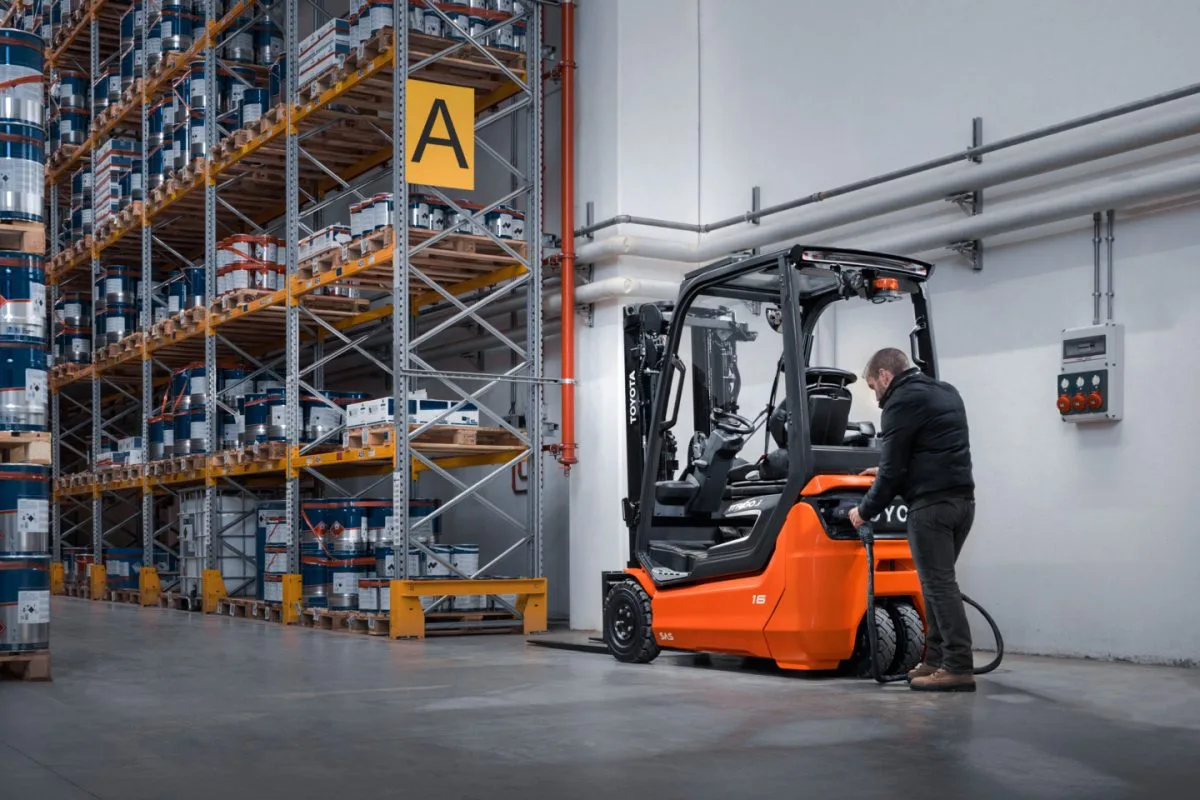
For many years, charging was viewed as a practical necessity – somewhere to park trucks between shifts and recharge batteries. But as operations become more automated and businesses accelerate their decarbonisation strategies, charging infrastructure is taking on a far more strategic role.
Today’s warehouses rely on a growing network of electrically powered equipment, from lithium-ion powered forklift trucks and automated guided vehicles (AGVs) to automated storage and retrieval systems, conveyor networks and the IT systems that keep them running. While electrification offers significant operational and environmental benefits, it also places increasing pressure on a facility’s energy infrastructure.
The challenge is no longer simply about reducing energy consumption. Instead, businesses are seeking ways to manage energy intelligently, balancing operational demand, electricity costs and sustainability objectives in real time.
The growing pressure on warehouse power
As more material handling equipment transitions from internal combustion engines to electric power, many facilities are discovering that their existing electrical infrastructure was never designed to support today’s energy demands.
Peak charging periods, particularly during shift changes, can place significant strain on site electrical capacity, while grid upgrades are often costly and can take months or even years to complete. At the same time, businesses must consider the impact of electrified transport fleets, rising electricity prices and increasingly ambitious carbon reduction targets.
For highly automated warehouses, energy resilience has also become a critical operational issue. Unlike traditional operations, where some activities can continue during a power interruption, an outage in an automated facility has the potential to bring operations to a complete standstill.
Smarter charging, not just faster charging
Rather than investing solely in higher-powered chargers, many organisations are now looking to adopt intelligent charging strategies that optimise when, where and how equipment is charged.
Opportunity charging, where forklift trucks and automated vehicles recharge during short breaks in operation, can help businesses maximise equipment availability while reducing the need for large, dedicated charging areas. Wireless charging technologies are also beginning to emerge, offering the potential to further reduce downtime for autonomous equipment.
Perhaps the biggest shift, however, is the growth of smart charging management platforms.
These systems can coordinate charging activity across an entire fleet, ensuring batteries are charged when electricity prices are lower, avoiding simultaneous charging peaks that can overload site infrastructure, and helping businesses reduce costly peak demand charges.
Rather than treating every truck individually, charging becomes part of a coordinated energy strategy across the whole warehouse.
Turning warehouses into energy ecosystems
Charging infrastructure is increasingly being integrated with wider energy management technologies.
Many warehouses are investing in rooftop solar installations alongside Battery Energy Storage Systems, allowing excess renewable energy generated during the day to be stored and used when demand increases later.
This approach helps reduce reliance on the electricity grid, lowers operating costs and provides greater resilience against fluctuations in energy supply.
Looking further ahead, researchers are also exploring how electric vehicle batteries – including those used in forklift trucks – could one day act as flexible energy storage assets, supplying electricity back into a site’s local energy network during periods of peak demand.
Although still in its early stages, this concept could help warehouses improve energy resilience while making better use of existing battery assets.
The rise of predictive energy management
The next evolution is likely to see charging infrastructure become fully integrated with warehouse management and telematics systems.
Using real-time operational data alongside predictive analytics, future energy management platforms may be able to forecast demand, automatically schedule charging activity and balance electricity consumption against operational priorities, renewable generation and energy tariffs.
Instead of reacting to energy demand, warehouses will be able to anticipate it.
This shift mirrors the wider transformation taking place across the material handling industry, where predictive maintenance, connected equipment and intelligent automation are replacing traditional reactive approaches.
Preparing for the future
As electrification continues to reshape warehouse operations, charging infrastructure can no longer be viewed as an afterthought. It is becoming a critical part of operational performance, business resilience and long-term sustainability.
Organisations that invest in intelligent charging strategies today will be better placed to manage rising energy costs, maximise equipment availability and support the increasingly connected, automated warehouses of the future.