
How precision storage drives sustainable warehouse optimisation
Is “dead air” killing your ESG targets? Learn how precision-engineered recycled storage can improve sustainability AND reclaim your warehouse space.

AS THE logistics sector faces unprecedented pressure to decarbonise, Plastor, a leading UK supplier of plastic storage solutions, argues that the secret to a net-zero warehouse lies in the structural integrity of the supply chain. By combining high-quality recycled materials with space-optimised design, businesses can significantly reduce their environmental footprint – all while improving operational throughput.
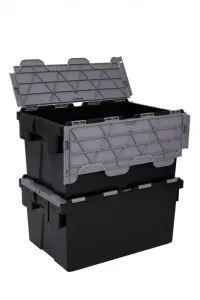
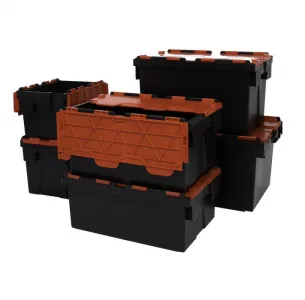
In modern warehousing, wasted space is synonymous with wasted energy. Every cubic metre of “dead air” requires heating, lighting, and maintenance – all contributing to a facility’s carbon overhead. But space-saving only works if your equipment is built to last; poor-quality materials simply can’t handle the weight of a fully optimised warehouse.
“The majority of our products are sourced from the UK and Germany, where we can be confident in both quality and the ethical sourcing of recycled plastic”, says Neil Harris, Director at Plastor. “When you are stacking at height to maximise warehouse volume, you rely on the consistency and proven performance of the material. Sourcing regionally allows us to maintain those high standards of trust and reliability that our customers depend on”.
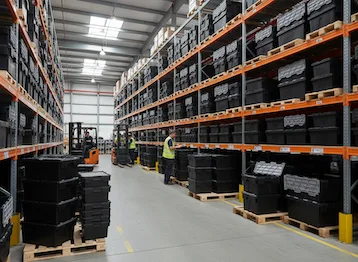
For high-density stacking to be safe and effective, containers must offer near perfect consistency. Warped and weak boxes in a vertical stack could potentially compromise safety and lead to damaged goods – creating further waste. But by focusing on precision-engineered solutions from trusted European partners, Plastor ensures that “recycled” does not mean “unreliable”.
The environmental case for regional, high-quality plastic is supported by sobering industry data. Statistics compiled by Plastor show the UK exported almost 600,000 tonnes of plastic waste in 20231, and according to a national survey, just 17% of UK plastic waste is currently recycled2. By sourcing and manufacturing within the UK and Germany, Plastor supports the domestic circular economy and reduces the “logistics miles” associated with the recycling process.
The benefits of this approach are quantifiable:
Energy Savings: Creating plastic from recycled materials can reduce total energy usage by up to 88%, when compared with using virgin materials3.
Resource Efficiency: One tonne of recycled plastic saves 5,774 Kwh of energy and 16.3 barrels of oil – equivalent to more than 2,500 litres of oil4.
Carbon Reduction: Optimised storage density allows companies to decrease their physical footprint, reducing the energy demand of the entire warehouse environment.
“Sustainability isn’t just about the label on the box; it’s about how that box performs over a ten-year lifecycle”, Harris adds. “A high-quality container that enables 20% better space optimisation is a powerful tool for any logistics manager looking to hit ESG targets without sacrificing performance”.
As the industry moves toward 2030 sustainability goals, the focus is shifting from “buying recycled” to “buying for life”. Plastor remains committed to providing the durable, space-efficient tools necessary for a leaner, greener logistics future.
Citations:
1
House of Commons Library (2024). Research Briefing on Plastic Waste
2
Greenpeace UK (2022). Big Plastic Count
3
4
Plastic for Change (2024). Why Is Recycled Plastic Sustainable?