

How warehouse gantry cranes are transforming modern material handling
As warehouse operations continue to expand in scale and complexity, the pressure on logistics teams to move, lift and reposition goods safely has never been higher.
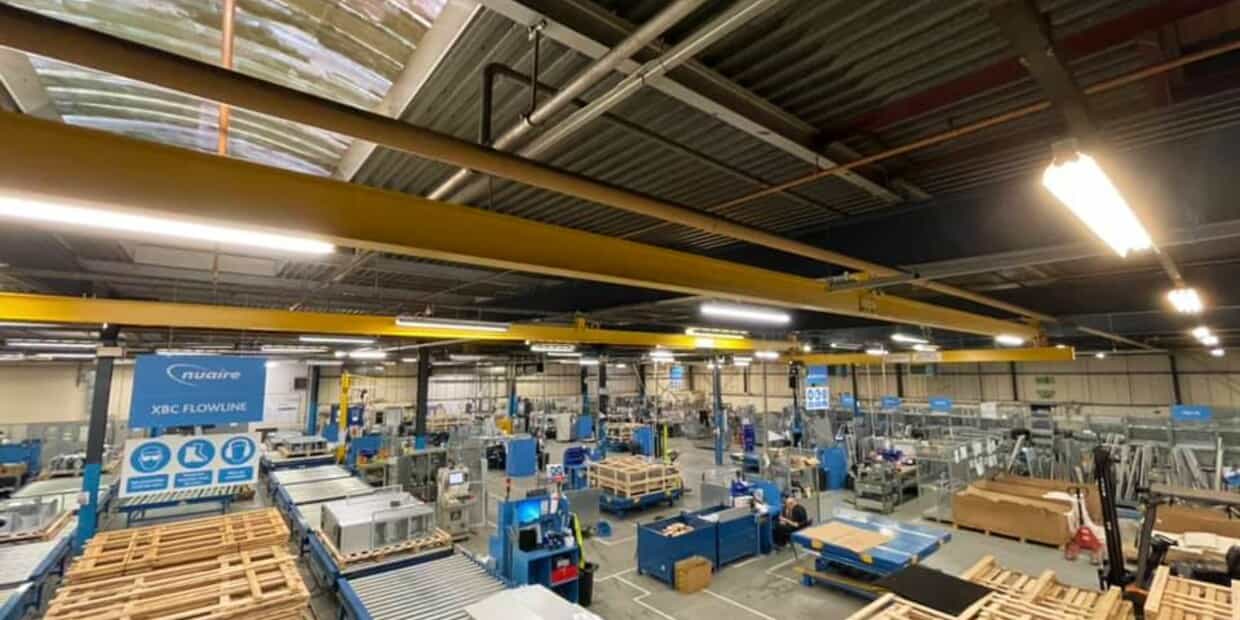
WHILE FORKLIFTS, pallet trucks and automated handling systems often steal the spotlight, there’s one piece of equipment quietly revolutionising day-to-day activity across the sector: the warehouse gantry crane.
Whether used for machinery maintenance, pallet handling, production support or specialist lifting, gantry cranes offer a level of precision, flexibility and load security that many warehouses are only now beginning to fully appreciate. With modern facilities operating around the clock, the ability to carry out controlled lifts without creating bottlenecks or disrupting workflow is becoming essential.
Lloyds Beal, a long-established manufacturer of bespoke lifting systems, offers a better understanding of the role gantry cranes now play in UK logistics, Our team works across warehousing, manufacturing and heavy industry, and how warehouses are adopting gantry cranes paints a clear picture of change within the sector.
Why gantry cranes are becoming more common in modern warehouses
The first reason gantry cranes are growing in popularity is simple: warehouses are getting busier, taller and more crowded. Rising order volumes, increased automation and space-efficient layouts mean manual handling has become more constrained. Forklifts remain essential, but they aren’t always the safest or most efficient way to handle awkward loads, tooling, heavy components or machinery.
Gantry cranes bridge this gap. They allow teams to:
- Lift vertically in controlled, predictable movements
- Work in narrow or high-density environments
- Move loads that are unsuitable for forklifts
- Reduce manual handling in maintenance tasks
- Support installation of conveyor systems and automation equipment
According to the HSE’s guidance on safe lifting operations, well-planned lifting is central to reducing workplace incidents. Gantry cranes, when used correctly, achieve exactly that by reducing sudden movements, poor load positioning and unnecessary strain on operators.
Lloyds Beal: what warehouses are really using gantry cranes for
Gantry cranes are often thought of as heavy industrial equipment, but warehouses now use them in far more varied and practical ways.
Most people still associate gantry cranes with large factories. But in the last few years, warehouse operators have realised they’re ideal for everything from maintenance tasks to unloading bulky items where forklift access is limited.
Several applications we now see regularly:
1. Maintenance and engineering support
Tasks such as replacing motors, working on conveyors, maintaining mezzanine floors or lifting equipment for repairs are significantly safer with a gantry crane.
2. Handling awkward or bulky goods
Certain loads simply don’t balance safely on forks. A well-positioned crane offers stability and reduces breakage.
3. Supporting warehouse automation upgrades
As robotic systems, AS/RS equipment and automated conveyors become standard, gantry cranes make installation and servicing far easier.
4. Reducing forklift dependence
Many sites now use gantry cranes to eliminate high-risk forklift lifts, helping reduce incidents highlighted across UK logistics.
Warehouses often don’t realise how much time and risk they can remove from their workflow until they start using a gantry crane. Once the first one goes in, it’s rare that it’s the last.
This makes our experience as specialist gantry crane manufacturers for real-world warehouse environments especially valuable in helping operators design cranes suited to their building layout and lifting profile.
The safety benefits: why warehouses are taking a closer look
As highlighted across numerous HSE case studies, a significant number of warehouse injuries involve manual handling and forklift incidents. Gantry cranes offer a safer alternative in many situations, particularly when:
- Loads are long, tall or unbalanced
- Operators must work in tight aisles
- Lifts take place near pedestrian routes
- Maintenance access is difficult
- Forklifts introduce unnecessary risk
Because gantry cranes lift vertically with precise control, they’re ideal for reducing load swing, improving positioning accuracy and preventing crush injuries. For warehouses evolving under tighter safety expectations, this alone makes them worth considering.
Fixed or mobile gantry cranes: what works best in a warehouse?
Warehouse environments vary wildly, from traditional pallet-handling facilities to complex fulfilment hubs. Fortunately, gantry cranes suit both ends of the spectrum.
Fixed gantry cranes
Ideal for repetitive, high-volume lifting tasks such as:
- Tooling changes
- Machinery installation
- Conveyor servicing
- Workstation lifting
They deliver high stability, large spans and long-term reliability.
Mobile gantry cranes
Perfect for:
- Maintenance teams who need flexibility
- Areas where installing runway beams isn’t practical
- Moving equipment between zones
- Seasonal or temporary lifting needs
Mobile gantries have become especially popular in warehouses that need rapid deployment and relocation.
Warehouses want solutions that don’t disrupt workflow. A mobile gantry can often be deployed the same day for a breakdown or equipment change, and that saves hours of lost productivity.
A forward-looking asset for growing warehouses
With warehouses expanding vertically, automation increasing and the push towards safer operations accelerating, gantry cranes are becoming part of the backbone of modern material handling. They provide a controlled, reliable and flexible way to move loads that are otherwise difficult or unsafe to handle.
For facilities planning upgrades, expansions or automation projects, a gantry crane system, whether fixed or mobile, offers long-term operational value and reduces dependence on risk-prone lifting methods.
When a warehouse installs its first crane, they’re not just improving today’s workflow; they’re building a safer, more capable site for the future.