

New food waste rules aim at the bin but it starts in the cold chain
Weekly household food waste collections are now rolling out under Simpler Recycling, and by March 2027 even the smallest firms will have to separate their food waste from general rubbish. Amit Sandhu of Paragon Logistics argues the rules target the caddy, when most avoidable waste is decided far earlier, in the temperature-controlled links that set what reaches the shelf fit to sell.
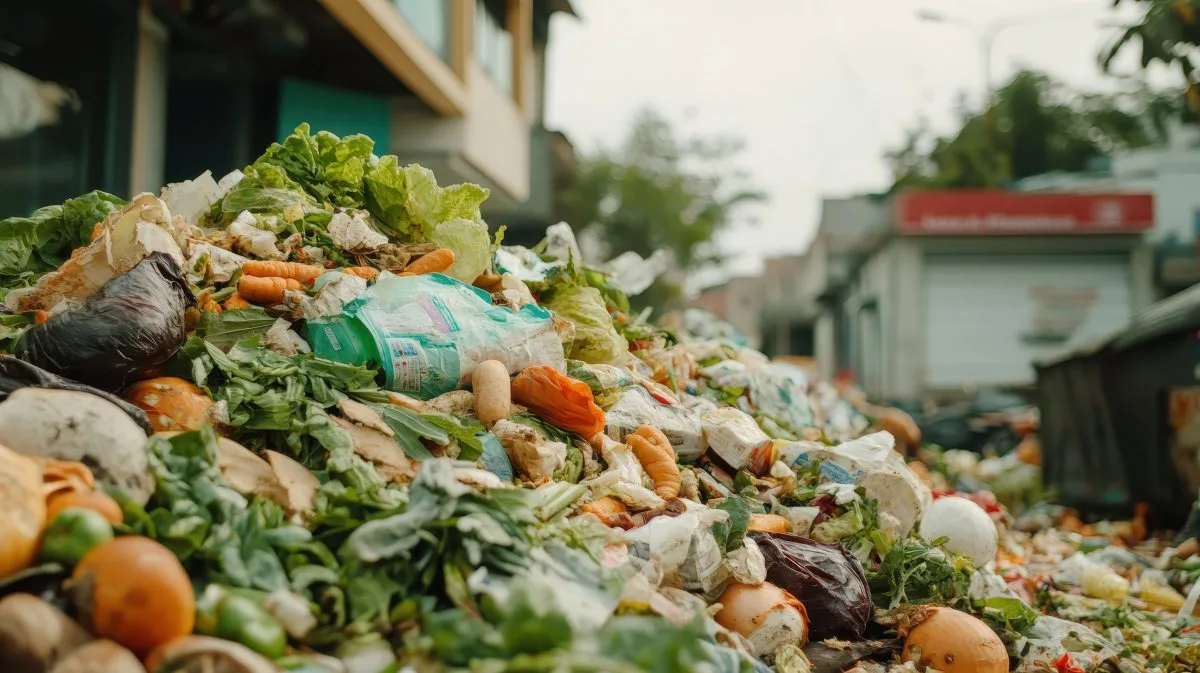
SINCE THE end of March, weekly food waste collections have been arriving on doorsteps across England under the Simpler Recycling rules, and the net keeps widening. Businesses with 10 or more staff have had to separate their food waste since 2025. By 31 March 2027 the rule reaches everyone else, down to the corner shop with a handful of employees. For the first time, the whole country is being made to sort, weigh and look squarely at what it throws away.
It is a big thing to look at. WRAP puts the food UK shoppers bin at £17 billion a year, roughly £1,000 for a household of four, out of more than 10 million tonnes wasted across the country annually. Households account for around 70% of that. Retail, the end of the chain everyone can see, manages just 2%.
Which is where policy aimed at the bin runs into trouble. By the time a punnet of raspberries reaches the food caddy, its fate was sealed days earlier, on loading bays, in trailers and in cold stores. Leave that punnet on a warm dock for two hours in July and it doesn’t waste itself at the checkout. It loses days in transit, then gets binned at home a fortnight later. The waste is counted in one place and caused in another. Separating it is disposal. It tallies the damage; it doesn’t prevent it.
Prevention happens upstream, in the cold chain, which is why I bristle when it gets written off as “just transport”. It is a food-waste prevention infrastructure. Hold produce, chilled ready meals, dairy and medicines inside a tight, unbroken temperature band from the supplier’s door onward, and you protect the shelf life the retailer is selling against. Break it, even briefly, and you have quietly manufactured waste that surfaces as a household number weeks later.
Summer is when the cracks show, and this one has been no kinder. A refrigerated vehicle holding 2 to 4°C on a 30°C day is doing real work. The same pallet in an unmonitored van is a write-off in slow motion. Chilled food lives or dies on a couple of degrees and a few hours, and neither is forgiving.
The new rules will make businesses measure food waste at the bin. Measuring it in transit, where a good chunk of it is caused, is the harder and more useful discipline. Avery Dennison’s recent global study of 3,500 retailers and supply chain leaders found that 56% of businesses can’t say how much food is lost while it’s being moved, and 61% lack full visibility across their operations at all. You can’t fix what you can’t measure. Continuous temperature logging across the whole journey, not a reading at each end and a shrug in between, turns “we think it stayed cold” into a record you can stand behind. Pre-cooling before load, real-time alerts when a door sits open too long, a plan for when a unit fails: that is what separates a serious temperature-controlled transport and storage operator from a man with a chiller unit.
Energy is largest running cost
None of this comes free, and that bites harder in 2026. Energy is the cold chain’s largest running cost, and the phase-down of high-GWP refrigerants under F-gas rules is pushing operators into retrofits and new plant whether they budgeted for them or not. The lazy response is to treat temperature control as a cost line to trim. That is the wrong read. Every degree of drift and every hour of dwell is spoilage risk, and spoilage costs far more than the diesel or the electricity ever will.
The operators who come out of this decade ahead will treat the cold chain as a product rather than an overhead: generator-backed storage, monitored vehicles, and data that proves the chain held from end to end. Plenty of food and drink businesses won’t build that in-house, and shouldn’t; it is exactly the discipline a specialist food 3PL or drinks 3PL is built to carry. Get that right and the food-waste line starts to move. Get it wrong and you are shipping tomorrow’s landfill at 4°C.
Councils can collect all the food waste they like, and they should. But if we actually want that £17 billion to fall, the work happens long before the caddy. It happens at 4°C.