

Port performance across the world: what supply chain leaders should know
Global shipping sails between calm and stormy waters on a continual basis, says Fraser Robinson.
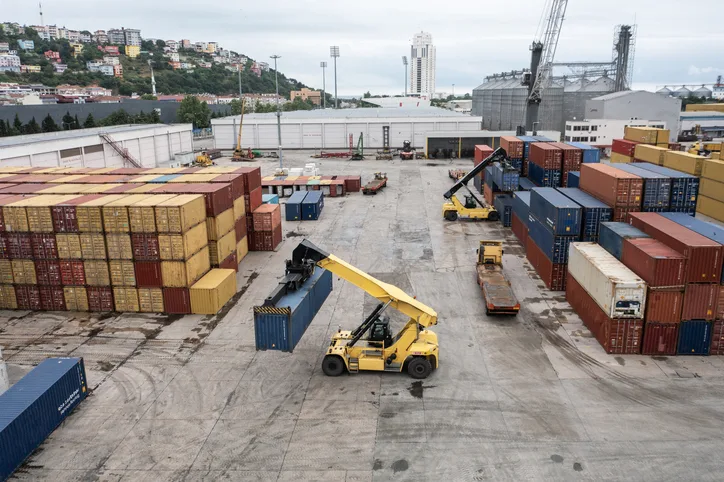
FROM INFRASTRUCTURE capabilities to shifting cargo flows and geopolitical uncertainties, port performance is highly susceptible to a variety of factors. These fluctuations in performance can make it hard to gauge exactly whether ports are improving their operations and output, or whether this improvement is actually down to seasonal shifts and changes in demand.
But for supply chain leaders, gaining a real-time understanding into how ports are performing is crucial to ensuring on-time deliveries and mitigating costly delays. Take July, for example.
July 2025 showed notable variations in global port berth times, with some significant increases at major container hubs alongside efficiency improvements at others. North America recorded the largest regional average increase (+0.139 days), while Antwerp improved berth times by 11.7%, declining from 1.37 to 1.21 days, and Liverpool achieved a 15.3% improvement.
These numbers matter because they represent real operational challenges for supply chain teams managing shipments during this period. Through this analysis, supply chain teams can assess what’s working well, what factors are contributing to variances in performance, and what supply chain professionals can learn from.
Here are some of the standout insights from the latest analysis.
Strong efficiency improvements at select ports:
Several ports achieved substantial efficiency improvements in July 2025, demonstrating that operational gains remain possible even during challenging market conditions. Durban, South Africa recorded the most significant improvement globally, with berth times decreasing 13.7% from 3.44 to 2.97 days between June and July.
Other notable improvements included St Petersburg (15.6%), Vancouver (6.3%), and Laem Chabang (24.5%). This highlights that efficient operations and process improvements can deliver measurable benefits even during periods of industry-wide challenges.
Market context and contributing factors:
July 2025 berth time variations occurred against a backdrop of several ongoing industry challenges. Weather disruptions, including tropical storms affecting Asian shipping lanes, likely contributed to operational complexities during the period.
The continued Red Sea shipping diversions and longer transit times also affect global schedule reliability and equipment positioning, creating additional operational pressures at destination ports. These factors, combined with typical peak season volume increases, likely influenced the berth time patterns observed in July.
Technology adoption continues:
Ports worldwide continue investing in automation and digital technologies to enhance operational efficiency. Smart port initiatives, automated container handling systems, and AI-powered optimisation tools are becoming increasingly common as ports seek to improve productivity and reduce operational variability.
These technological investments are helping ports maintain more consistent operations and may partially explain why some facilities achieved improved berth times despite broader market challenges in July 2025.
As the July figures show, even marginal shifts in berth times translate into material costs or savings; armed with accurate analytics, businesses can transform those numbers from after-the-fact explanations into forward-looking decisions that safeguard service levels, working capital and customer trust.
Fraser Robinson, co-founder and CEO at Beacon