

Prepare your warehouse for Peak seasons
Learn how to prepare your warehouse for peak season with tips on stock, layout and management systems.
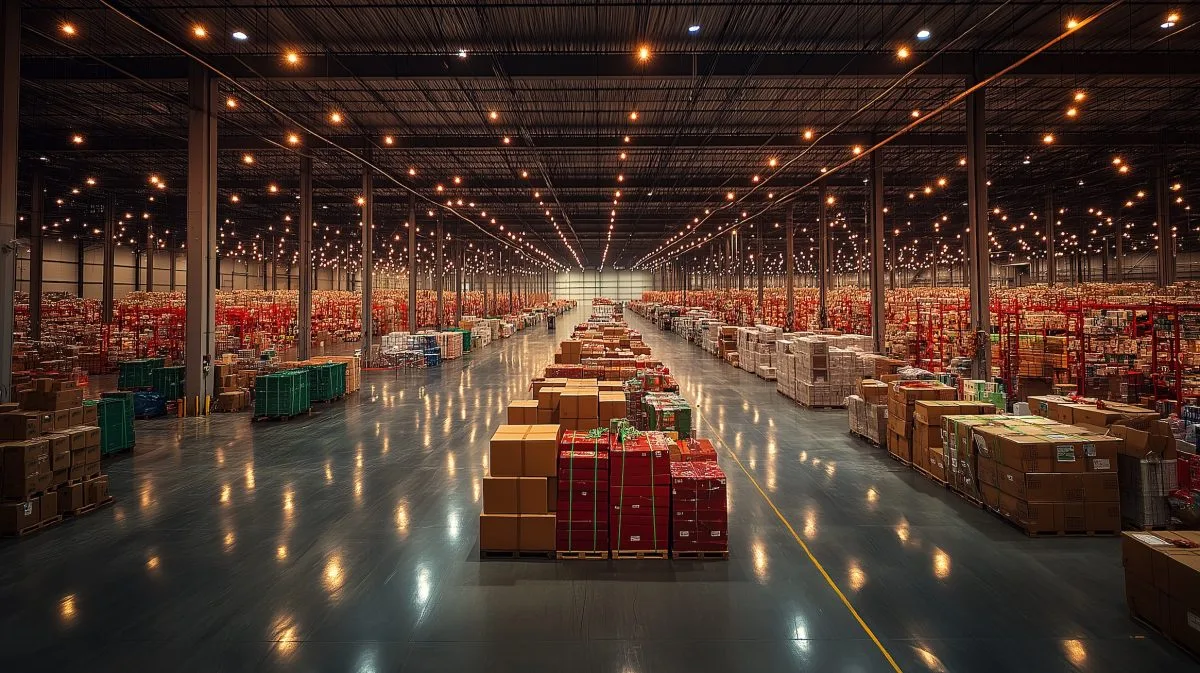
PEAK SEASON in warehouse operations can induce intense pressure, making preparation essential for maintaining efficiency and meeting customer expectations. Increased demand can lead to stock shortages, fulfilment delays and workflow bottlenecks if processes are not properly planned. By taking proactive steps to optimise inventory, staffing, storage and logistics, businesses can handle seasonal surges more effectively. Our experts have compiled this guide to explore the key strategies and best practices that will help ensure smooth operations in your warehouse during peak season.
What is peak warehouse season?
Peak warehouse season refers to periods throughout the year when businesses experience a significant increase in customer demand, resulting in higher order volumes, increased inventory movement and greater pressure on fulfilment operations. During these busy periods, warehouses must process, pick, pack and ship more orders than usual while maintaining efficiency and accuracy.
For many retailers and e-commerce businesses, peak season is typically driven by major shopping events and seasonal trends. Common examples include Black Friday, Cyber Monday, Christmas and New Year shopping, back-to-school periods and other promotional campaigns that encourage increased consumer spending. Depending on the industry, peak demand can also occur during seasonal changes, anticipated product launches or an industry-specific event.
As order volumes both rise and fall, warehouses and logistics depots must be prepared to scale their operations, manage stock effectively and maintain fast fulfilment times to meet customer expectations.
The impact of failing to meet Peak Season emand
By their nature, the warehousing and storage and logistics sectors operate in an unpredictable environment. One week you may not be able to keep the shelves full enough with items flying off the shelves, the next you will be approaching capacity. Regardless of which, the demands of a warehouse can have serious consequences without the correct preparation.
Preparing for peak season can help to minimise a plethora of risks, including:
- Delays that result in missed shipping deadlines and longer customer wait times.
- Stock shortages that prevent customers from purchasing popular products.
- Increased operational costs caused by emergency staffing, overtime and expedited shipping services.
- Lost sales when customers turn to competitors who can fulfil orders quicker.
- Customer dissatisfaction because of delays, order errors or unavailable products.
- Damage to brand reputation as negative customer experiences lead to poor reviews and reduced loyalty.
- Bottlenecks that slow down picking, packing and dispatch processes.
- Burnout and reduced productivity caused by excessive workloads and pressure.
- Supply chain disruptions that impact suppliers, carriers and wider distribution networks.
How to overcome Peak Season challenges
Planning for Peak Season Stock Demand
Accurate and consistent demand forecasting is essential when looking at managing your warehouses peak seasons. By reviewing historical sales data, upcoming promotions and predictable market trends, your business can plan ahead for demand far more effectively. Ordering the right stock levels in advance and making sure to grow strong relationships with suppliers will reduce the risk of shortages.
Managing Higher Inventory Levels
Managing higher inventory levels requires careful planning to avoid both overstocking and stock shortages. Regular inventory reviews, demand forecasting and real-time stock tracking can help businesses maintain optimal stock levels. Effective inventory management ensures products remain available while maximising warehouse efficiency and storage capacity.
Handling Labour and Staffing Issues
Preparing for increased workloads often requires additional staffing and workforce planning. Hiring temporary employees, providing training long before peak periods and being sure to refresh the training of existing staff regularly can all greatly improve flexibility. Clear communication, realistic workload forecasting and efficient, simple scheduling can also help maintain productivity and reduce employee fatigue and eventual staffing issues.
Overcoming Warehouse Space Constraints
Space constraints are an issue that many warehouses face, regardless of size, budget and usage. Limited space has the potential for creating operational bottlenecks during busy peak seasons. The removal of obsolete inventory, incorporating new storage solutions and optimising the warehouse’s layout can help increase efficiency without requiring building extension.
Streamlining Order Fulfilment
Efficient order fulfilment is critical during periods of high demand. Optimising picking routes, implementing automated processes where possible and making improvements to the general workflow can help reduce delays. Ensuring regular review of fulfilment procedures ensures orders are processed accurately and dispatched quickly.
Preventing Technology and System Disruptions
Warehouse technology plays a vital role in peak season performance. Regular system maintenance, software updates and performance testing can help prevent disruptions during busy periods. Having comprehensive backup procedures in place and providing staff with adequate system training will also further reduce the risk of operational downtime.
How can Warehouse Management Systems help prepare your warehouse for Peak Season?
A comprehensive, modern and optimised warehouse management system can be a crucial component of preparation during peak season in your warehouse. By being able to provide your whole supply chain with real-time visibility into inventory levels, warehouse managers can far more accurately forecast upcoming demand, maintain optimal stock levels and reduce the risk of stockouts or overstocking during periods of increased activity.
A proper system can also improve operational efficiency by streamlining receiving, picking, packing and shipping processes. Automated workflows help reduce manual errors, while intelligent task allocation ensures that staff resources are used effectively during busy periods. This allows warehouses to process higher order volumes without sacrificing accuracy or customer satisfaction.
In addition to these benefits, advanced reporting and analytics capabilities can help identify bottlenecks before peak season even begins. Warehouse managers can use historical data and performance insights to optimise layouts, refine workflows and make informed staffing decisions.
With greater visibility, accuracy and control, a comprehensive warehouse management system can help warehouses remain agile and responsive during peak times.
Final thoughts
Preparing for the peak season in your warehouse requires careful planning, foresight, efficiency processes and the right technology. By optimising your inventory management plans, improving warehouse layouts, training all staff correctly and incorporating a reliable, extensive warehouse management system, warehouses can better handle periods of increased demand while maintaining their standard service quality levels.