

Seven warehouse software tools turning shopfloor data into insight
Between IoT sensors, wearables, and digitised machinery, modern warehouses are dense, interconnected hubs of data.
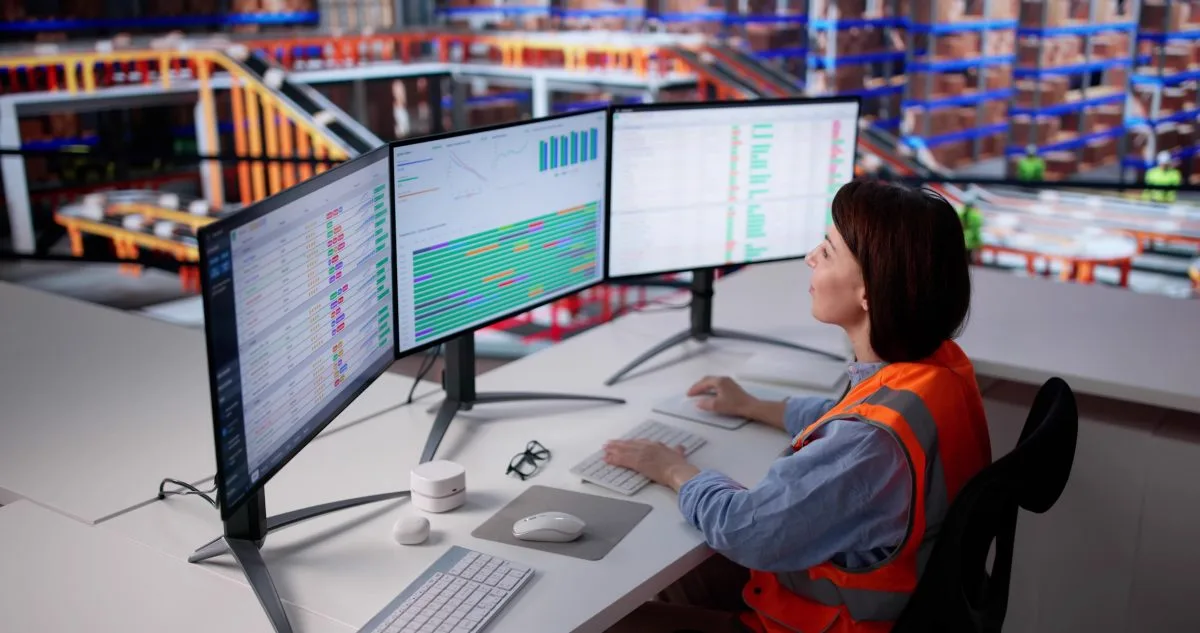
The right tools can improve efficiency and minimise downtime, but with so many options available, the market looks a little saturated at the moment. This list will break down which trends are truly worth your investment by exploring their impact on shopfloor performance.
1) Real-time performance monitoring
OEE monitoring software provides live feedback from across your production line. It captures data from machines and operators to track metrics such as uptime, output rates, and cycle times, categorising each for clarity and transparency. Platforms like Evocon let you know whether an issue stems from equipment or an operational inefficiency, enabling decisive, targeted action to address core concerns.
A major strength of this software is its ability to visualise data. Dashboards are customisable and present easy-to-glance readings that compare current metrics to benchmarks and past performance. Decisions surrounding resource allocation and maintenance become simple, in the moment calls.
Key benefits:
- Real-time visibility of machines and operators across your network
- Clear data visualisation for faster root cause analysis and decision-making
- Reduces reliance on manual reporting
- Drives continuous improvement with historical performance data
Look for those that emphasise simplicity and usability, particularly if you struggle to keep up with the mountains of data shopfloors generate.
2) Stock and labour movement software
Warehouses that operate within logistics channels, such as fulfilment and distribution, generate most of their data from inventory and orders. This is exactly where stock and labour movement platforms are designed to shine, unifying operational data across multiple sites to provide an informed view of what, who, and where.
Teams can track stock, order status, and capacity constraints in real time and adjust resources to reduce the risk of errors or delays. Managers see completion rates, travel time, and workload distribution across multiple locations, enabling them to adjust staffing levels to meet demand and improve both efficiency and service quality.
Key benefits:
- End-to-end visibility across orders and operations
- Labour management tools for increased efficiency and movement
- Embedded analytics for faster, more informed decision-making
- Scalable cloud-based software suited for complex, distributed warehouse and logistics chains
At their core, these solutions add predictability to a notoriously volatile industry.
3) End-to-end solutions
Using the same tool to monitor everything from inventory and movement to orders has its benefits. These platforms combine real-time and historical data on order volumes, seasonal trends, and workforce activity levels to improve forecasting and contingency planning.
They can aid in task optimisation by continuously assessing picking routes and order prioritisation to zero in on potential improvements. It’s a powerful productivity tool that keeps humans in mind, suggesting streamlined routes that reduce fatigue and the increased error rate it brings.
Key benefits:
- AI-driven demand forecasting and prioritisation
- Intelligent task and workforce management
- End-to-end workflow efficiency
- Real-time inventory visibility across sites
End-to-end solutions help optimise labour movements, order slotting, trailer loads, and more.
4) Logistics-driven management tools
Software that integrates seamlessly into a broader shopfloor ecosphere provides deep visibility across warehouses and supply chains. These platforms provide real-time insight into inventory, resource utilisation, and task execution, helping teams manage everything from inbound deliveries to outbound fulfilment more efficiently.
Integration connects shop floors with planning and logistics, providing deep insights into slotting, labour management, and automation, supporting in-the-moment decision-making and long-term strategic planning. Risk resilience is a central selling point in many integration models, enabling stable operations that minimise costs even at scale.
Key benefits:
- Detailed tracking of stock down to the bin and storage location level
- Built-in support for automation, such as conveyors and robotics
- Labour planning tools to align the workforce with predicted needs
These tools combine warehouse and enterprise-wide data, turning operational complexity into a source of logistical insight.
5) Robotics
There are two huge benefits to adopting robotics platforms: autonomous mobile units that perform routine tasks and their built-in analytics software that captures data on their movement, productivity, and interactions with workers.
This two-pronged approach means managers can monitor picking performance, identify congestion points, and adjust workflows to improve efficiency. This data supports more informed decisions around layout design and staffing. By using robots to complete a task, you’re able to gather granular insight on the finer details that would be otherwise imperceptible.
In addition, robotics and their associated data insights help improve warehouse safety by reducing human exposure to repetitive strain and high-risk tasks.
Key benefits:
- Real-time tracking of throughput down to individual travel time and pathing
- Data on how your workforce interacts with autonomous systems
- Identify congestion and optimisation points
- Continuous feedback and improvement
Robotics can be costly to install and maintain, but the data and insight they provide go a long way in improving shopfloor activities.
6) Flexible and scalable solutions
Warehouse environments rarely remain static, as new tools, fulfilment models and seasonal trends require a constant shuffling of priorities and resources.
Tools that emphasise flexibility integrate data from across warehouse processes, giving managers a clear, real-time view of performance while enabling them to adjust workflows on the fly. These solutions scale to meet the warehouse’s size and complexity, with both in-house and cloud-hosted models available.
Key benefits:
- A focus on quick adjustments, with tools to rapidly reconfigure picking, packing, and fulfilment strategies
- Allows for add-on software modules, making it highly customisable to fit need or preference
- Scalable solutions to fit growing or changing warehouses
Flexibility helps managers maintain control and precision during periods of volatility, pushing agility without sacrificing performance.
7) Basic inventory tools
Not every warehouse requires an enterprise-level solution for its data refinement needs. Lightweight, cloud-based platforms specialise in usability, with simple UIs that help teams move away from manual reporting and provide a clear view of stock levels, order status, and fulfilment activity.
While it doesn’t offer the advanced automation or AI capabilities of larger platforms, it succeeds in simplifying shopfloor data and turning key KPIs into crystal-clear reports that deliver refined insights.
Key benefits:
- Centralised view of stock levels across warehouses, with the ability to transfer goods from one to another
- Easy set-up, ideal for smaller teams
- Integration with e-commerce and accounting platforms
- Scalable from small to medium-sized operations
Small-scale solutions lower the barrier to entry for data-driven decision-making.