

The benefits of automated pallet racking systems in modern warehouses
Warehousing in the UK is under increasing pressure, with rising operational costs, limited space availability, labour shortages and higher expectations around safety and efficiency forcing businesses to rethink how their facilities are designed and operated.
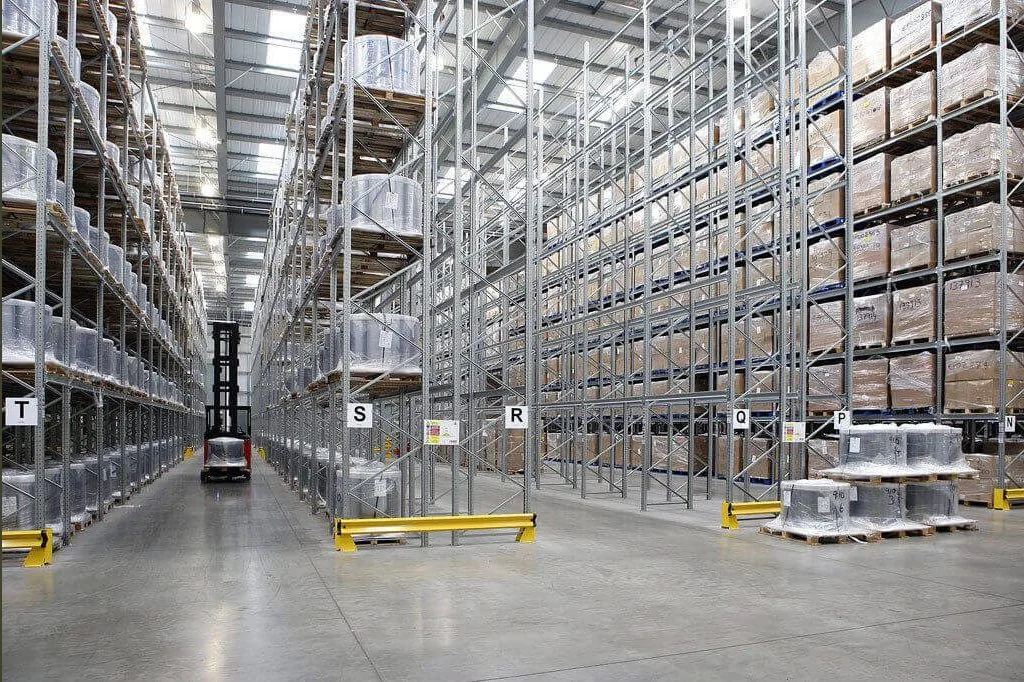
TRADITIONAL STORAGE methods often struggle to keep pace with these demands, particularly in high-throughput or space-restricted environments.
As a result, many organisations are turning to automated warehouse pallet racking as part of a wider shift towards smarter warehouse storage systems that improve control, accuracy and operational efficiency, rather than simply increasing storage capacity. For warehouse managers, logistics directors and operations teams, automated pallet racking represents a strategic approach to long-term performance rather than a short-term fix.
What Is automated pallet racking?
Automated pallet racking is a warehouse storage system that uses mechanical handling and controlled technology to store and retrieve palletised goods with minimal manual intervention. It is designed to move pallets accurately and consistently within defined storage locations, supporting higher throughput and more predictable warehouse operations.
Traditional warehouse pallet racking relies on forklifts and manual handling to place and remove pallets. While widely used, this approach can lead to congestion, delays and increased safety risks as volumes rise. Automated pallet racking reduces reliance on manual movement, introducing greater control across storage and retrieval processes.
How automated pallet racking improves warehouse efficiency
Automated pallet racking improves warehouse efficiency by delivering consistent, controlled pallet movement with minimal manual intervention. Storage and retrieval processes are automated, reducing delays caused by forklift traffic and inconsistent handling.
This level of control supports smoother workflows and more reliable order fulfilment, particularly during peak periods. Integration with warehouse management software also provides real-time visibility of stock movement, supporting better planning and fewer operational errors.
The benefits of automated pallet racking systems for space utilisation
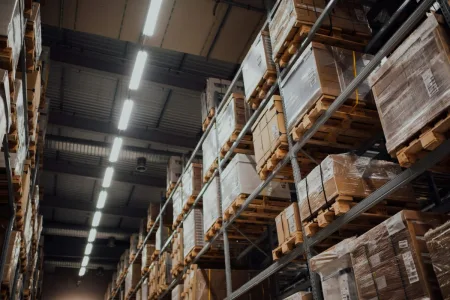
Warehouse space is increasingly expensive, particularly in well-connected logistics locations, which makes efficient use of available capacity a priority. Automated pallet racking helps businesses maximise their existing footprint by making better use of both floor space and vertical height. Compared with conventional warehouse pallet racking, automation supports denser storage layouts without compromising accessibility.
Key space utilisation benefits include:
- Higher storage density through reduced aisle requirements
- Improved use of vertical space for high-bay storage environments
- Less reliance on clearance for manual handling equipment
- Greater pallet capacity within the same warehouse footprint
By storing pallets more efficiently, warehouses can often increase capacity without the cost or disruption of physical expansion. This is particularly valuable for operations working within fixed sites or long-term leases.
For organisations reviewing their warehouse storage systems, automated pallet racking offers a practical way to improve space utilisation while maintaining smooth operational flow.
Reducing manual handling and improving warehouse safety
Safety remains a top priority for warehouse managers, especially in environments with high pallet volumes and constant movement. Automated pallet racking significantly reduces the amount of manual handling required, which in turn lowers the risk of accidents associated with forklifts and lifting equipment. With pallet movement controlled by automated systems, traffic within the warehouse becomes more predictable and structured.
This reduction in manual intervention also supports compliance with health and safety standards and creates a more controlled working environment. Rather than relying on operator judgement in busy conditions, automation introduces consistency and repeatability into pallet handling processes. Over time, this contributes to fewer incidents, less downtime and improved confidence among warehouse teams.
How much weight can automated pallet racking hold?
Automated pallet racking systems are engineered to support a wide range of load capacities, depending on pallet type, product weight and system design. Each installation is specified to suit operational requirements, ensuring pallets are stored and moved safely within defined load limits.
Experienced pallet racking suppliers assess both static storage weight and dynamic loads created by automated movement during the design stage. When correctly specified and installed, automated pallet racking provides a reliable and compliant solution for storing heavy palletised goods.
How much does it cost to install automated pallet racking?
The cost of installing automated pallet racking depends on factors such as warehouse size, throughput requirements, system complexity and integration with existing processes. The level of automation selected, from semi-automated to fully automated solutions, also influences overall investment.
Although upfront costs are higher than traditional warehouse pallet racking, automation is typically assessed on long-term value. Reduced labour reliance, improved efficiency and better space utilisation can deliver ongoing operational savings and a stronger return over time.
Supporting long-term growth with scalable warehouse storage systems
Warehouses rarely remain static. Changes in product lines, order volumes and customer expectations mean storage systems must be adaptable. Automated pallet racking systems can be designed with scalability in mind, allowing capacity and functionality to be expanded as operational needs evolve.
This flexibility is particularly important for logistics directors and procurement teams planning for future growth. Rather than replacing entire warehouse storage systems, automation allows businesses to build on existing infrastructure. As a result, warehouses can respond to increased demand or operational change without significant disruption to ongoing activity.
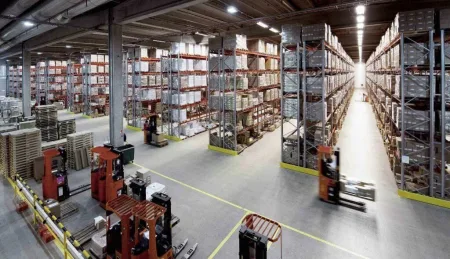
Choosing the right pallet racking suppliers for automation projects
Automation projects require specialist knowledge, careful planning and precise installation. Choosing experienced pallet racking suppliers is essential to ensure automated systems are correctly specified, safely installed and compliant with current regulations. Beyond supplying equipment, the right partner will understand warehouse workflows, regulatory requirements and long-term operational goals.
Why automated pallet racking Is a strategic investment for modern warehouses
Automated pallet racking is more than a storage upgrade; it is a response to the practical challenges facing modern warehouses. By improving efficiency, enhancing safety and making better use of available space, automation supports stronger operational performance.
For warehouse managers and logistics leaders, the decision to invest in automated pallet racking is about building resilience into their operations. As pressures on warehousing continue to increase, automation offers a structured, reliable and future-ready approach to managing palletised goods effectively.