

Warehouse racking – Are you getting the best out of your investment?
The pallet racking in your warehouse is one of the most significant investments you will make. Once it’s up and running, you expect it to work, last and pay for itself. Racking that’s properly designed, used safely and monitored correctly should last the lifetime of the business.
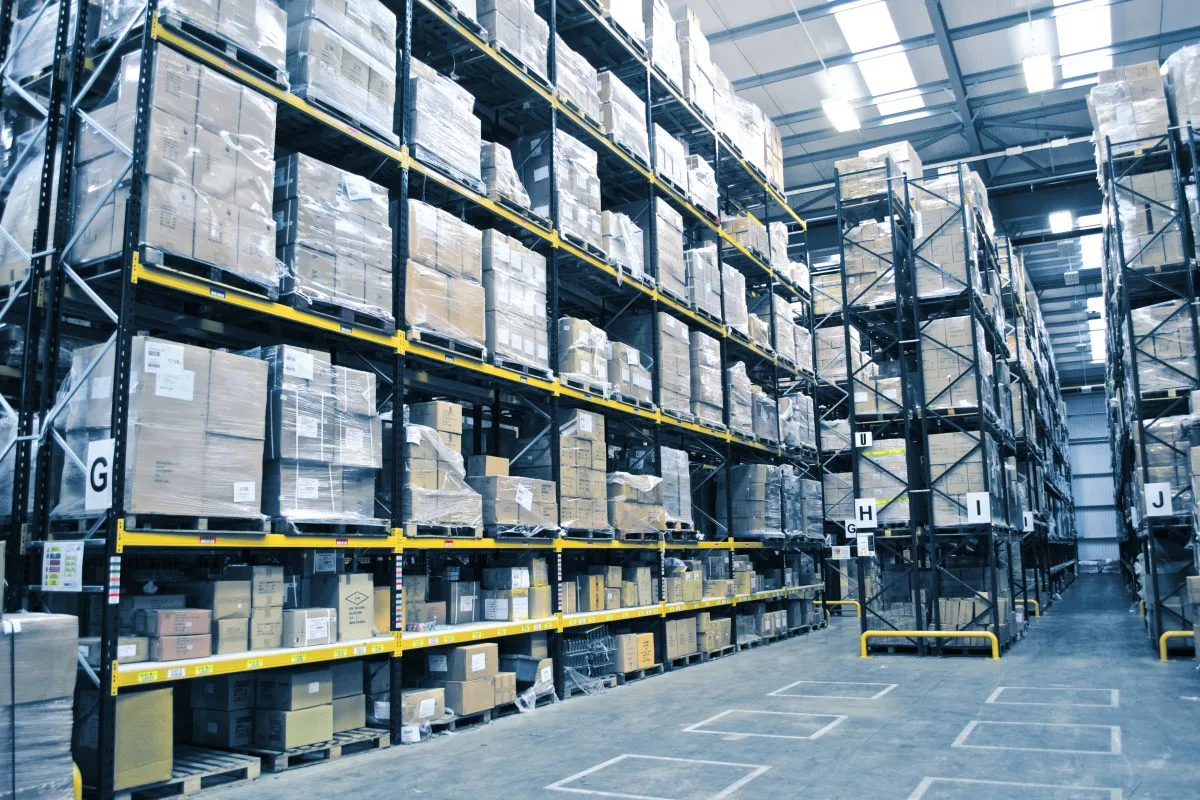
BUT HERE’S the problem. A lot of racking doesn’t get that far, and the reason usually isn’t down to the equipment itself. If you want to maximise the Return On Investment (ROI) of your storage equipment, you need to understand the steps that keep it performing safely and efficiently.
The fit and forget trap
When you first order your racking, you take the time to use a reputable supplier, ensure the product works for your operation and train your team on how to use it correctly. But over time, as the racking quietly gets on with the job, its importance starts to fade.
The problem is that racking isn’t really a “fit it and forget it” piece of equipment. It’s a structural system that relies on being used exactly as designed. Over time, stock profiles change, throughput increases, layouts alter, or more forklift trucks operate around the racking.
As these changes happen, the risk of damage to your racking increases and that’s a big problem.
Knocks to the structure can impact its integrity. If that damage is ignored, not only do you significantly risk warehouse safety, but operational costs increase. Repairs are the obvious cost, but you also need to consider the operational impact. Depending on the level of damage, you could see entire sections of the racking taken out of action, reducing stock and order capacity.
Protect your investment
The good news is that minimising this scenario is easy and straightforward. Maximising the lifetime of your racking and the return on your investment comes down to getting the fundamentals right.
1) Racking suitable for its role
If you’re investing in brand-new racking, the lifespan of that structure is almost predetermined at the design stage. Racking should always be tailored to your operation – the stock you’re storing, the handling equipment you’re using and the layout of your space. For example, getting it wrong with aisles that are too tight for operations can cause unnecessary impacts.
Look for a supplier with demonstrable credentials, such as SEMA Approved Members, who are independently audited to check that their work meets the highest industry standards.
2) Racking used correctly
Once the racking’s in place, it has to be used correctly. Racking must be loaded in accordance with the Load Notice displayed at the end of the aisle. This important sign minimises racking damage from overloading by showing the number and weight of pallets that can be placed on the beams.
Make sure everyone working in areas with racking knows how to read and follow the guidance on the Load Notice.
3) Who is your PRRS?
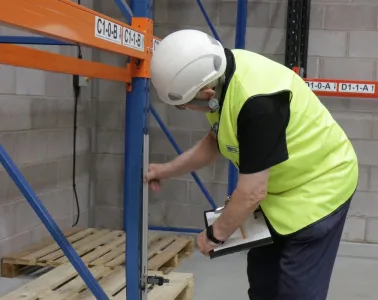
If you have racking in your warehouse, you need to get it regularly inspected. Start by asking warehouse employees to report when they find damage – provide training so they know how to identify the problem and who to report to if they find an issue.
The next step is to appoint a Person Responsible for Racking Safety (PRRS). This is critical for ensuring best practice is followed, reducing issues and identifying damage.
Your PRRS is responsible for checking that inspections and maintenance records are completed, analysing damage data, identifying recurring issues and recommending actions. They will also carry out Visual Inspections, as recommended by the HSE, to identify and categorise damage. They will need training to take on the role, such as SEMA’s Rack Safety Awareness course.
4) Expert Inspections
Internal inspections are essential, but they don’t provide the whole picture. At least once a year, your racking should be assessed by a qualified professional, such as a SEMA Approved Racking Inspector (SARI).
An inspection by a SARI is a structural check which identifies damage and grades it using a traffic light system, which clearly sets timelines for repairs.
5) Repairs done right
Once damage has been flagged, it is critical to get it repaired. Cheap or improvised fixes might get the job done quickly and have your warehouse operational again, but they could be reducing the integrity of your racking.
To ensure you protect the ROI of your racking, check that the installer undertaking the repairs has been trained in racking installations, such as through the SEIRS course. This will ensure they have the right knowledge of industry standards and installation methods.
You should also check that repairs are compliant with manufacturer guidance and utilise Original Equipment Manufacturer (OEM) products. Failing to do this could not only reduce the safety of your racking but also render your warranty null and void.
Protecting the investment you have made into your racking, avoiding unnecessary costs and keeping your warehouse safe is achievable when you follow these essential steps. Every one of them will help your racking last longer and maximise your ROI. For more guidance on how to look after your racking, visit the SEMA website.