
Warehouse robotics and agentic AI developments from Amazon
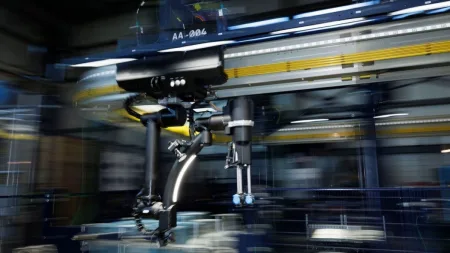
Amazon has launched its newest operations technologies include Blue Jay, a system coordinating multiple robotic arms, and Project Eluna, an agentic AI model helping operators make more informed decisions.
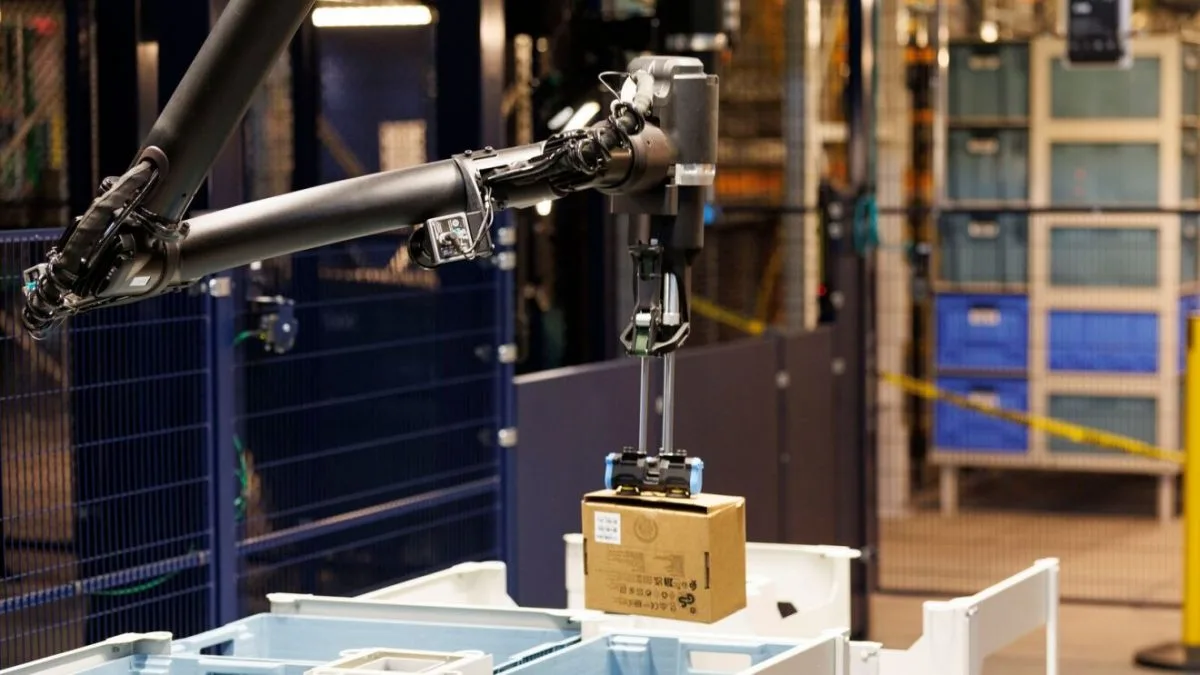
BLUE JAY and Project Eluna work alongside operations employees to create safer and more efficient workspaces. They build on products such as Vulcan and DeepFleet.
“Our latest innovations are great examples of how we’re using AI and robotics to create an even better experience for our employees and customers,” says Tye Brady, chief technologist for Amazon Robotics. “The goal is to make technology the most practical, the most powerful tool it can be—so that work becomes safer, smarter, and more rewarding.”
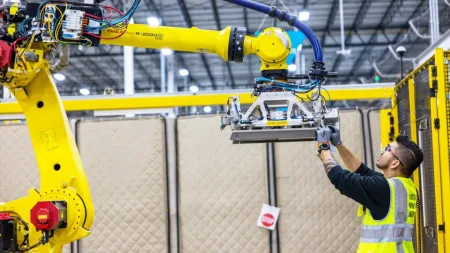
Blue Jay is a next-generation robotics system that coordinates multiple robotic arms to perform many tasks at once, collapsing what used to be three separate robotic stations into one streamlined workspace that can pick, stow, and consolidate in a single place. The result: more support for front-line employees, while creating greater efficiency in less physical space.
Blue Jay’s development moved from concept to production in just over a year, due to advancements in AI. Engineers were able to iterate on dozens of prototypes for Blue Jay with the use of digital twins.
Agentic AI
Project Eluna is an agentic AI system—designed to act with a degree of autonomy, reasoning through complex operational situations and recommending actions to operators. It pulls in historical and real-time data across a building to anticipate bottlenecks and keep operations running smoothly.
Project Eluna will be piloted at a fulfillment centre in Tennessee to assist operators this holiday season, working initially on sortation optimisation. Operators can ask questions like, “Where should we shift people to avoid a bottleneck?” and receive clear, data-backed recommendations. The goal: less putting out fires, more foresight.