

What is stretch hood packaging – and how can it improve load stability, product protection and logistics efficiency?
Stretch hood packaging is increasingly used by manufacturers as well as warehouses and distribution centres seeking to protect palletised goods while improving end-of-line efficiency.
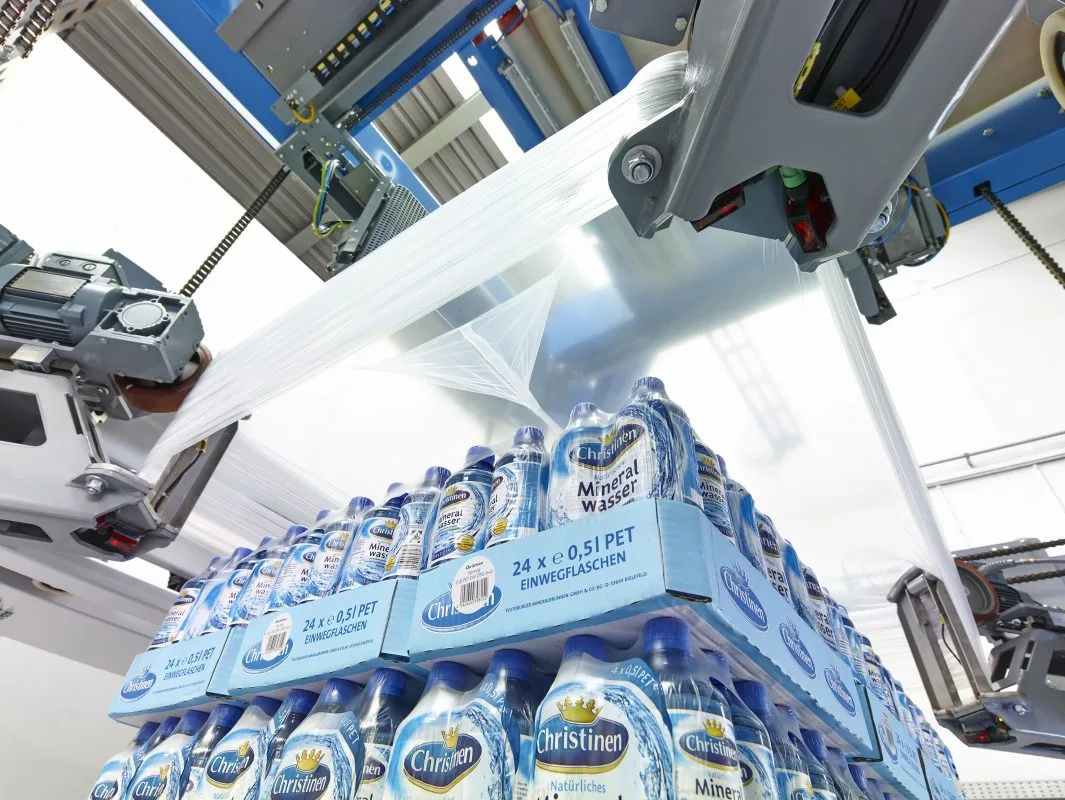
By applying a highly elastic tubular film over a pallet load, the process creates a secure, moisture-resistant load unit that supports reliable transport, storage and handling.
However, operations managers and logistics managers need to evaluate more than the packaging technology itself. They need to assess how load stability, material and energy consumption, throughput and product protection could affect their operations and return on investment.
When the right solution is selected, stretch hood technology can help reduce packaging costs, safeguard product quality and improve supply chain performance while helping to reduce material and energy consumption.
What is stretch hood packaging?
The stretch hood process uses a tubular film that is stretched, positioned over a palletised load and then released. As the film contracts, it applies both vertical and horizontal holding forces that stabilise the load without requiring heat.
Unlike traditional stretch wrapping or shrink hood systems, the film is applied in a single layer and tailored precisely to the dimensions of the load. This creates a tight, transparent and secure load unit that protects products throughout storage and transport while supporting reliable handling.
The BEUMER stretch hood® A automates this process through fully automatic pallet and package recognition, precise film selection and automatic calculation of the required film length.
Benefits of stretch hood packaging for end-of-line operations
- Maximum load stability – The combination of vertical and horizontal restoring forces secures palletised goods during transport, handling and storage, reducing the risk of load shifting and product damage.
- Reliable product protection – The tough, watertight film protects products against moisture, dust and other environmental influences while protecting them from contamination and unauthorised access.
- Lower energy consumption – Because the packaging process requires no heat, it keeps energy consumption low while also reducing fire risk and supporting efforts to improve resource efficiency.
- Reduced film usage – Only the exact amount of film required is used. The single-layer application helps minimise material consumption without compromising load security.
- Improved operational efficiency – Automated pallet recognition and intuitive operation simplify packaging processes, helping operators achieve consistent results with minimal intervention.
- High throughput performance – With outputs of up to 120 pallets per hour, operations can maintain productivity even during peak periods.
- Improved load visibility – The transparent, tightly fitting film keeps products and barcodes visible, supporting efficient identification and handling in warehouse and distribution processes.
- Flexibility for varying load formats – High-flexibility film enables different product sizes to be packaged efficiently, reducing complexity across diverse product portfolios.
Applications of stretch hood technology
Stretch hood packaging is used across consumer goods, food, building materials, chemicals and other industries where pallet stability and product protection are critical.
For warehouse and distribution environments, the technology is particularly valuable when products may face long transport routes, outdoor storage conditions or frequent handling.
Considerations before implementation
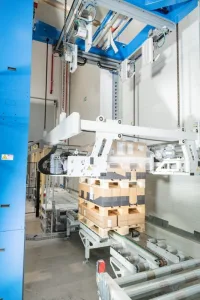
Before investing in stretch hood technology, it is important to evaluate current and future throughput requirements, load characteristics and sustainability objectives.
Integration with existing conveying, palletising and warehouse management processes should also be assessed. The solution should not only meet current operational requirements but also provide flexibility for future growth.
Finally, calculating the total cost of ownership, including film consumption, energy use, maintenance requirements and the potential reduction in product damage, helps quantify the long-term value of the investment.
TAKEAWAY
For warehouse and distribution operators seeking to improve load stability, product protection and operational efficiency, stretch hood packaging offers a reliable alternative to conventional pallet packaging methods. With benefits including low energy use, precise film consumption, protection against environmental influences and high throughput, the BEUMER stretch hood® A helps protect products and streamline end-of-line operations.