
Zero Muda – reducing waste and elevating efficiency in material handling through automation
As manufacturers and distribution centres intensify their focus on operational excellence, automated solutions are emerging as a powerful remedy to enable more efficient material flow and maximise value across material handling operations.
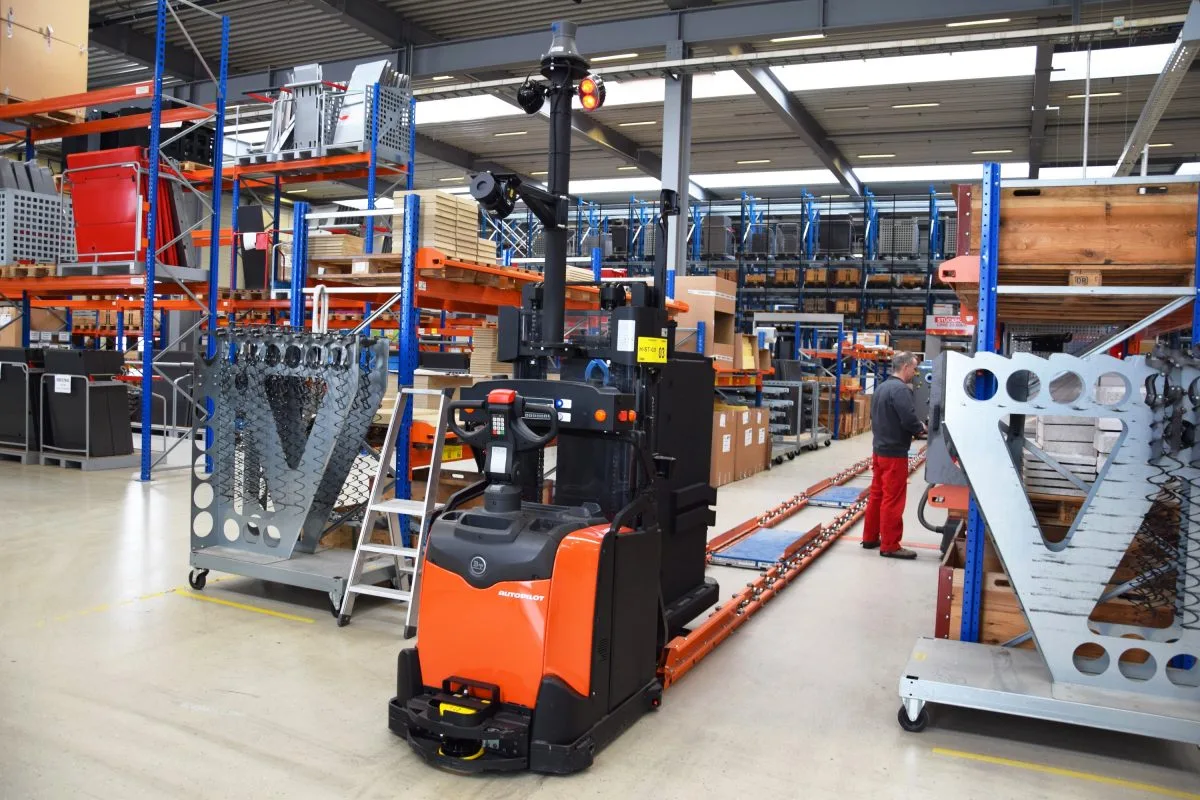
ROOTED IN Lean manufacturing, the philosophy of Zero Muda focuses on eliminating waste. Muda – a Japanese term for waste refers to any activity that consumes resources without adding value. Automated solutions can help address the most common forms of Muda by automating repetitive transport tasks, optimising workflows, and delivering materials precisely when and where they are needed.
What does waste look like?
In warehouses and manufacturing environments, waste often manifests as everyday inefficiencies that gradually erode productivity and impact the bottom line. It can be seen in pallets sitting idle in aisles, excess work-in-process accumulating between process steps, and materials being moved or handled multiple times before reaching their final destination.
Operators may spend significant time walking, searching, or waiting for parts, while equipment and lines stand idle due to late replenishment or poor coordination. Overproduction leads to crowded storage areas, while damage, errors and rework consume additional time and resource. Together, these conditions create congestion, slow throughput, and reduce visibility, preventing operations from achieving smooth flow and truly lean, value-driven performance.
How can automation reduce waste and improve efficiency?
Before embarking on an automation journey, it is essential for operations to prepare for this new way of working. Taking the time to review, optimise and standardise existing processes before introducing automation can deliver significant benefits. Implementing automation within an already lean environment brings organisations closer to achieving Zero Muda.
Automation helps reduce inefficiencies by standardising, synchronising and simplifying material movement across operations in several key areas.
Product Damage and Accuracy
Product damage can represent a significant source of waste. Automated forklift trucks operate at consistent speeds, with controlled acceleration and highly accurate load positioning. This reduces the risk of impacts, drops and improper stacking, helping to minimise damaged goods.
By removing human variability from material handling tasks, automation delivers greater consistency and reliability, resulting in less wasted product. An automated system can also improve inventory accuracy by ensuring pallets are placed and retrieved from the correct locations every time. Automated forklifts integrate directly with warehouse management systems, providing real-time confirmation of movements and stock levels. This reduces the likelihood of misplaced inventory and discrepancies that can lead to costly downstream waste.
Faster throughput
Automated Guided Vehicles (AGVs) help increase throughput by creating a faster, more reliable flow of materials throughout an operation. Unlike manual transport, AGVs run on optimised routes with predictable cycle times, ensuring materials arrive at the right place without delays or variability.
They can operate continuously without fatigue, sickness or absence, shift changes, or interruptions, reducing bottlenecks and keeping production lines and picking operations supplied on time. The result is smoother flow, higher utilisation of equipment and labour, and a measurable increase in overall throughput.
Space utilisation
Automation also supports more effective used of available space. Through consistent routing and precise positioning, automated systems enable higher-density storage and accurate point-of-use delivery, freeing up valuable floor space.
The integration of automated shuttles within racking systems can further enhance storage density, allowing facilities to maximise their existing footprint or defer the need for costly building expansions.
Reducing Energy Waste
Energy efficiency is another important benefit of introducing automation. AGVs use optimised travel routes, regenerative braking and automated charging schedules, operating only when required. Unlike manual equipment, they avoid unnecessary idling, helping to lower overall energy consumption and reduce emissions.
Enabling people to focus on value-added work
Beyond efficiency and waste reduction, automation plays a key role in transforming the nature of work within warehouses and manufacturing facilities. By taking over repetitive, low-value and physically demanding transport tasks, automated systems free operators to focus on higher-value activities.
Warehouse staff can be redeployed to roles that require problem-solving, quality control, process improvement and customer service – areas where human judgement and experience add the greatest value. This not only improves operational performance but also supports workforce engagement, skills development and job satisfaction, while helping organisations address ongoing labour shortages.
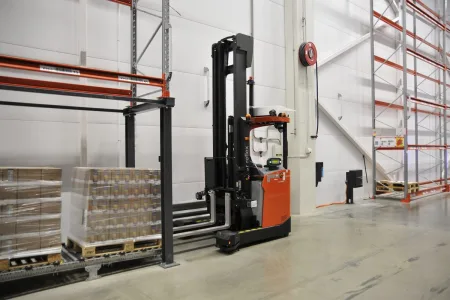
“Zero Muda is about eliminating waste at its source,” said Kelvin Taylor, Head of Logistics Solutions at Toyota Material Handling UK. “Automated forklift trucks allow operations to standardise material movement, reduce damage and errors, and make better use of space, talent and energy – all core principles of Lean operations.”
As many warehouses and production facilities face increasing pressure to improve operational efficiency and safety, reduce costs and reach sustainability goals, automated forklift trucks are emerging as a practical and powerful way to embed Zero Muda into everyday operations.
Find out more about Automated Solutions from Toyota Material Handling by visiting: Automated solutions | Toyota Material Handling UK