

AI-driven platform plans to fast track surplus food for charity
Sainsbury’s, GXO, Greencore, Tesco, M&S and Gist are backing a new AI-driven platform that matches spare capacity on HGVs with surplus food deliveries to frontline charities, which could save food redistribution charity Felix around £1 million in its first full year.
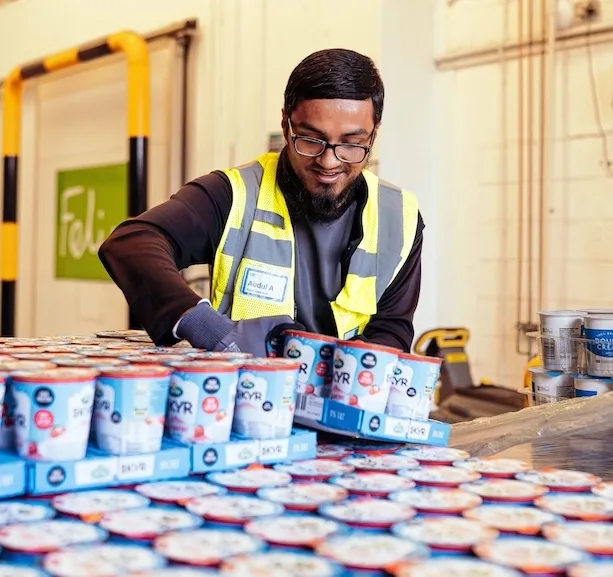
THE PLATFORM, dubbed ‘speed dating for trucks’, acts as a ‘mission control’ that matches surplus food needing delivery with space on lorries already travelling across the UK. Its first stage has now launched.
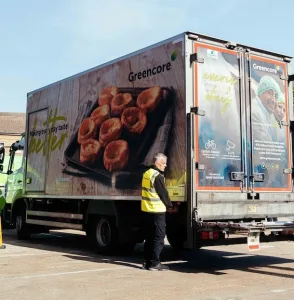
Trials between Sainsbury’s and GXO, which have identified 10 routes for moving Felix food, are on track to move 5,300 tonnes of food, save 42,885 road miles and 62.9 tonnes of CO₂, and deliver £170,000 in cost savings over six months. Greencore is already providing twice-weekly movements within London free of charge, with projected annual savings of around £18,000. Tesco is providing free consultancy, while M&S and Gist have committed to consultancy and logistics support.
Felix supports more than 8,000 charities and community groups. In 2025 it spent more than £5.6 million on logistics, moving 80,000 pallets to 33 distribution centres. Meanwhile, around 30% of HGV journeys have spare capacity, according to the Department for Transport.
The prototype is built around two types of transport opportunity. Fixed route services allow Felix to add pallets where hauliers’ regular routes coincide with its own, while near-term movements let logistics providers pick up ad hoc food offers posted on the platform 4–24 hours ahead. The platform also shares visibility of spare factory line capacity, so surplus food can be repackaged or relabelled for redistribution.
Simon Roberts, CEO of Sainsbury’ said: “We believe partnership is key to driving positive change. Our ambitious trial with GXO aimed to optimise our combined transportation networks and reduce the costs involved in distributing food for the incredible charities tackling food insecurity. In our trial alone, we’re looking at charity savings of £170,000. With more businesses coming on board, the potential to scale this up is significant, helping charities direct more of their resources where they matter most, to get more food to people facing hunger.”
Gavin Williams, chief executive of GXO UK & Ireland, added: “By bringing together organisations, technology and logistics expertise, this initiative shows how existing transport networks can be used in smarter ways to create meaningful social impact.”

For Felix, the savings are significant. “Transportation costs Felix millions of pounds a year, and since the conflict in Iran these have risen substantially,” said Richard Smith, director of food innovation at Felix.
Darren Binns, head of logistics, Greencore added: “It’s brilliant to see the industry coming together to tackle such an important issue, and we’re proud that Greencore can play a part. By making use of spare capacity on our HGV fleet, we can help get more surplus food to charities while reducing transport costs. It’s a simple idea, but one that shows how technology can help the industry go further to make a real difference.”
The project is led by Alliance Food Sourcing (AFS), a coalition of more than 50 food companies convened by Felix and IGD. AFS is calling on more food and logistics businesses to join as trials expand over the next six months.
Nicky Robinson, director of AFS, said: “AFS brings different businesses together to collaborate and find joint solutions. This new AI-driven tech is a great example of that – matching offers of surplus food with space in lorries and logistics expertise, to get more food to frontline charities more efficiently. We believe the new platform could save up to £1 million of charity costs in the first year of rollout, and we’d love to have even more food and logistics businesses join us, to scale it up further.”
Businesses keen to join or learn more can contact [email protected]