


Lean logistics networks risk weakening UK food supply resilience
UK logistics networks could be operating with too little headroom to withstand mounting pressure on the food system, according to research from SCALA Consulting.
THE REPORT, which is based on a survey of senior supply chain leaders, found that over half (52%) of firms hold less than a quarter (25%) contingency or safety stock, while 71% could increase their UK warehouse capacity by no more than 25%. A further 43% said that no other site could fulfil dispatches if their primary warehouse became unavailable, and only a third (33%) had fully implemented the necessary response strategies, with 52% having partially done so and 14% yet to begin altogether.
While individual businesses have unique requirements that call for tailored supply chain and logistics networks, together, the challenges of limited stock, restricted capacity and a lack of tested alternatives can compound. This leaves logistics networks less able to absorb disruption caused by extreme weather, labour shortages, transport problems or geopolitical events.
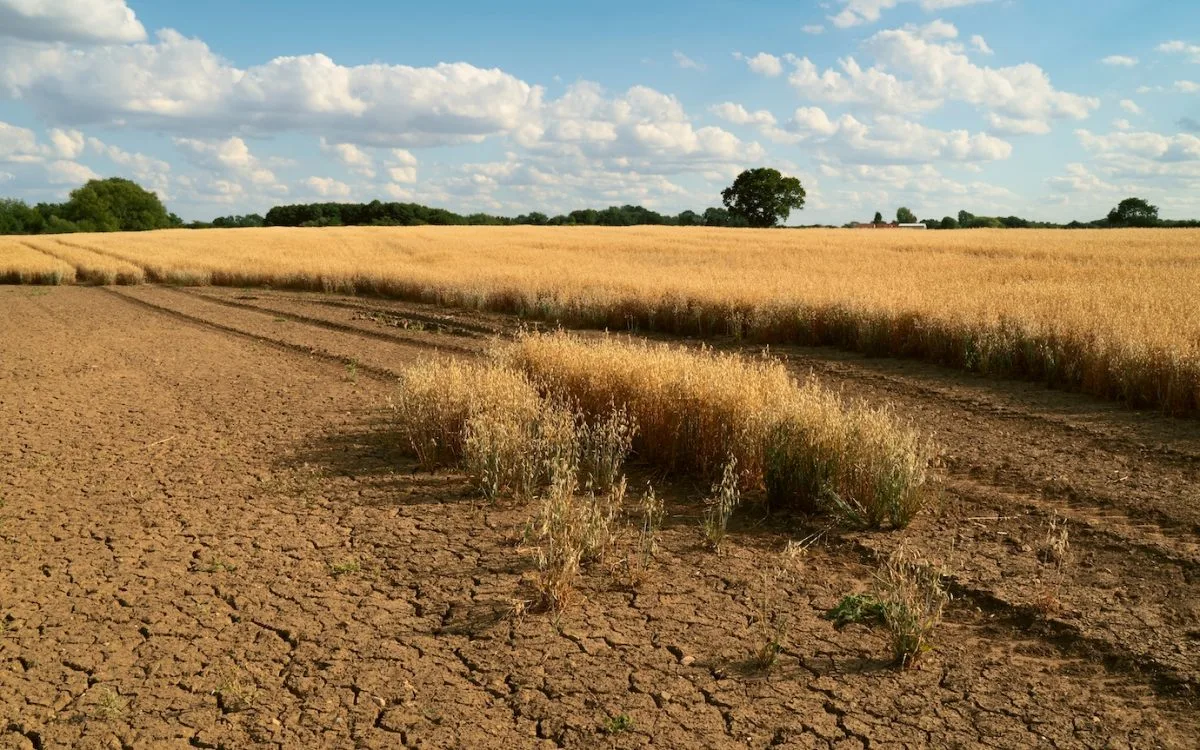
The findings come as extreme heat and the decline of ecosystems supplying the UK threaten poor harvests, shortages and higher prices. Farming, retail, food manufacturing and hospitality leaders have already called for a national food resilience plan, warning that secure and affordable food supplies can no longer be taken for granted. This pressure could be further compounded by higher business rates for large logistics properties, encouraging businesses to shift to more efficient rather than resilient supply chains.
Amid this context, SCALA is calling for warehousing and transport to be treated as critical national infrastructure, given their integral role in keeping supermarkets stocked, manufacturers operating and goods moving across the country. The firm is also advising businesses to implement robust contingency plans with alternative sourcing options identified where possible.
Chris Clowes, executive director at SCALA, said: “Food supply chains are already facing growing pressure from extreme weather, geopolitical instability and rising costs. Our research suggests many businesses are entering the next major disruption severely underprepared, largely due to a focus on efficiency over resilience within logistics networks.
“Businesses should identify the suppliers, facilities and processes that could interrupt supply, establish back-up arrangements, and test how quickly stock, people and vehicles could be redirected. Sainsbury’s recent decision to increase supplies of British-grown vegetables is a great example of this thinking in practice.
“The government must also recognise warehousing and transport as critical national infrastructure, with business rates that support investment in resilient logistics capacity. Any national food resilience plan must consider how food will be stored and moved, as well as how it will be produced.”
SCALA’s report, The Resilience Gap: Assessing the Risks and Readiness of Global Supply Chains, explores the operational weaknesses leaving businesses exposed to disruption and the practical steps they can take to strengthen supply chain resilience.