

How fresh-produce supply chains keep goods in top condition with ventilated containers
Fresh produce supply chains operate under constant pressure. Fruits and vegetables are highly perishable, and even minor disruptions during storage or transportation can affect quality, shelf life and profitability. As consumer expectations continue to rise, logistics providers, growers, distributors and retailers must work together to ensure products arrive in excellent condition.
Success depends on more than speed alone. Maintaining the right environmental conditions throughout the supply chain is equally important, especially when dealing with products that remain biologically active after harvest.
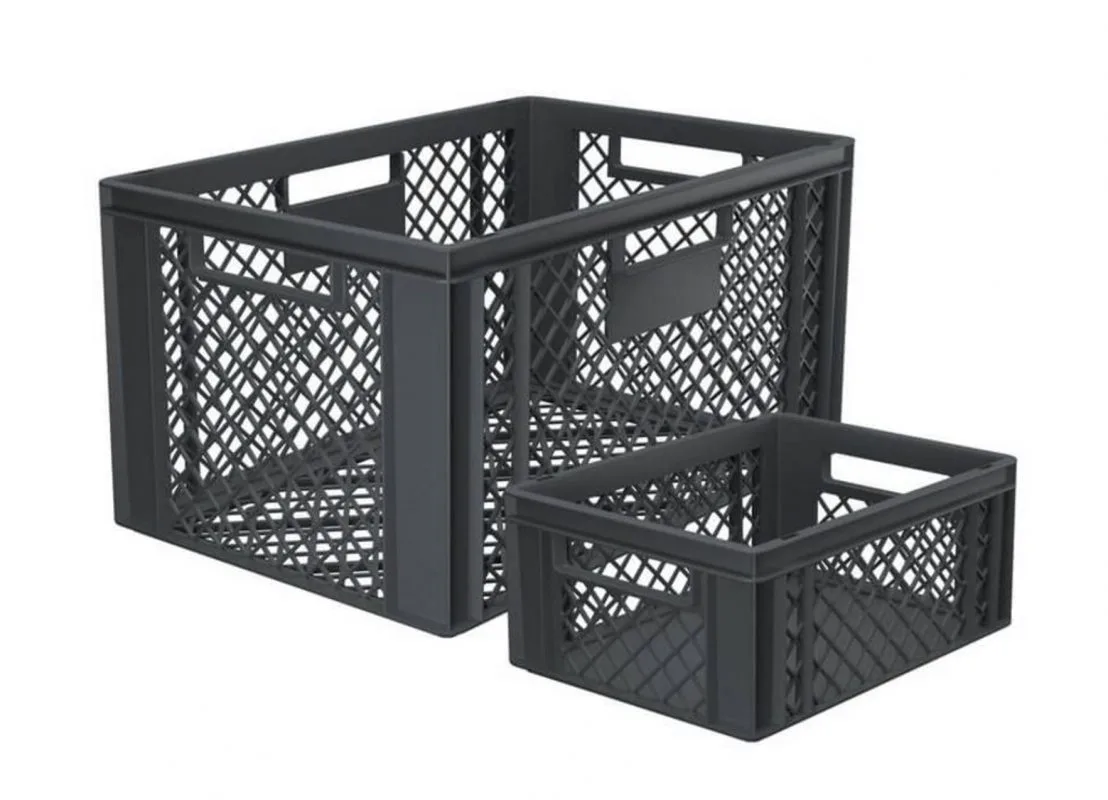
One solution that has become increasingly important is the use of ventilated plastic containers. Designed to promote airflow while protecting goods during handling and transportation, these containers help support product quality from the farm to the retail shelf.
Why airflow matters in fresh-produce logistics
Fresh fruits and vegetables continue to respire after they are harvested. During this natural process, produce consumes oxygen and release carbon dioxide, moisture and heat. If the byproducts are not properly managed, they can accelerate spoilage and reduce product quality.
Poor ventilation can lead to several challenges:
- Excess moisture buildup
- Increased risk of mold growth
- Uneven temperatures within loads
- Faster deterioration of sensitive products
- Higher levels of food waste
Ventilated containers address these issues by allowing air to circulate more effectively around stored products. This airflow helps create a more stable environment and supports temperature management throughout storage and transport operations.
For logistics professionals managing large volumes of fresh produce, even small improvements in product preservation can translate into meaningful cost savings and improved customer satisfaction.
Supporting the cold chain
Cold chain management remains one of the most critical aspects of fresh-produce logistics. According to the Food and Agriculture Organization, significant quantities of food are lost globally due to inefficiencies in post-harvest handling, storage and transportation.
Temperature-controlled vehicles and storage facilities play an important role, but the packaging and containers used inside those environments are equally important.
Ventilated plastic containers complement refrigeration systems by allowing chilled air to move more freely around products. Rather than creating isolated pockets of warmer air, properly ventilated storage solutions encourage more consistent temperature distribution throughout the load.
This is especially valuable for products such as leafy greens, berries, citrus fruits, and other produce categories that can be highly sensitive to temperature fluctuations.
Balancing protection and product quality
Fresh produce faces multiple risks throughout its journey. Containers must withstand stacking, loading, unloading and transportation while still protecting delicate goods from damage.
Traditional solid-wall containers might provide structural protection, but they can limit airflow. Ventilated designs offer a balance between durability and environmental control.
Modern plastic containers are also engineered to maintain their structural integrity through repeated use. This makes them suitable for demanding supply chain environments where containers are regularly exposed to varying temperatures, moisture and handling conditions.
For warehouses and distribution centers, durable reusable containers can also simplify operations by providing standardized storage and transport solutions across different product categories.
Reducing waste across the supply chain
Food waste remains a major concern for the logistics sector. Every spoiled shipment represents lost revenue, wasted resources and unnecessary environmental impact.
Improved packaging and container solutions can help reduce these losses by extending product freshness and minimizing damage during transit. When produce arrives in better condition, businesses can reduce shrinkage rates while retailers benefit from longer shelf life.
The sustainability benefits extend beyond the products themselves. Reusable plastic transport containers support circular logistics models by reducing reliance on single-use packaging materials.
As supply chains face increasing pressure to improve environmental performance, reusable and durable transport solutions are becoming an important part of broader sustainability strategies.
The role of warehouse operations
Warehouse environments play a critical role in preserving produce quality before products move to the next stage of distribution.
Storage practices, stacking configurations and material handling procedures all influence airflow and temperature consistency. Ventilated plastic containers can support these operations by allowing warehouse managers to maintain more effective environmental control while maximizing available storage space.
This becomes especially important during seasonal peaks when facilities might be handling significantly larger volumes of produce. Under these conditions, maintaining consistent product quality can be challenging without appropriate storage and transport equipment. The ability to move products efficiently while preserving freshness helps prevent bottlenecks and reduces the likelihood of costly product losses.
Meeting growing industry expectations
Consumer demand for fresh, high-quality produce continues to shape logistics strategies throughout the food supply chain. Retailers expect consistent quality, while regulators and customers increasingly focus on sustainability, traceability and waste reduction.
As a result, logistics providers are looking beyond transportation alone and evaluating every component of their operations. Container selection has become part of a broader effort to improve efficiency, protect product quality and support sustainability goals.
Ventilated containers might appear to be a relatively small component within a complex supply chain, but their impact can be significant. By supporting airflow, enhancing cold chain performance and helping reduce waste, they contribute to the reliable movement of fresh produce from growers to consumers.
For businesses seeking to maintain product quality while improving operational efficiency, investing in the right container solutions remains an important step toward building more resilient and sustainable fresh-produce supply chains.