

Paulaner swaps spreadsheet planning for a network-wide view of its breweries
German brewery group Paulaner is moving away from Excel-based, site-by-site supply chain planning towards a connected view of its whole network, so that planners can weigh production capacity against warehouse and transport capacity before deciding where beer is made and stored.
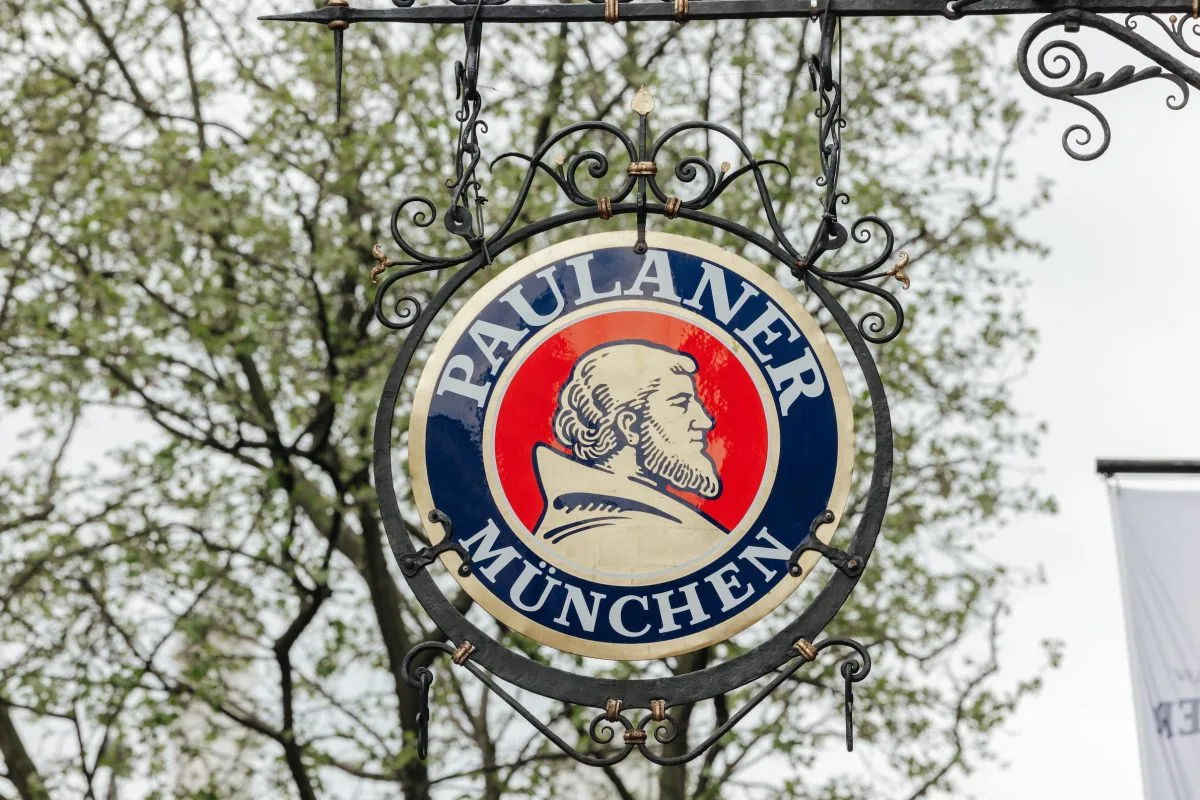
GROWTH DROVE the change. As volumes rose, Paulaner added production capacity, warehouses, transport routes and markets, and the acquisition of another major production site exposed the limits of a process that relied on spreadsheets, legacy SAP and the knowledge of individual planners. Its main Munich site had also reached capacity while the business extended into northern Germany, Austria and Switzerland.
“We were trying to make do with our traditional planning process. It was very Excel-based, with old SAP and limited support for the planners,” Michael Huber, supply chain transformation lead at Paulaner, told transformation consultant Maria Villablanca in an interview for a new report. Going back to the old way now, he said, would make the spreadsheets “blow up”.
Beer makes planning errors expensive. It is a high-volume, low-value product with a finite shelf life, so it cannot sit in stock indefinitely, and Germany’s returnable bottle system adds a second flow of goods for planners to manage. “We don’t have the luxury of simply carrying additional stock,” said Huber.
When a brewery becomes constrained, the question is now whether production can move to another site and what that does to inventory, warehousing and transport, rather than simply how to restore the original plan.
“We’re looking across different areas, rather than at isolated elements such as production capacity. That includes warehouse and transportation capacity, so we’re able to produce better information for decision-making and gather it faster,” Huber said.
He admitted that Paulaner initially treated the project too narrowly as a supply chain planning initiative, when logistics, procurement and commercial teams all influence planning decisions. Functions and sites now meet frequently to evaluate options together. His advice to others is not to automate an old process with new technology, and to move in manageable stages. “We’re still in the middle of our journey,” he said.
Paulaner produces around 9.3 million hectolitres a year across 12 production sites and sells around 200 beers in more than 70 markets, according to figures, largely based on 2022 data, that it presented with planning software provider FuturMaster, now Sunstice, at Gartner’s Supply Chain Symposium/Xpo in 2025.