

Is It time to rethink diesel?
Rising diesel costs are forcing a rethink across the materials handling industry, believes Windsor Materials Handling.
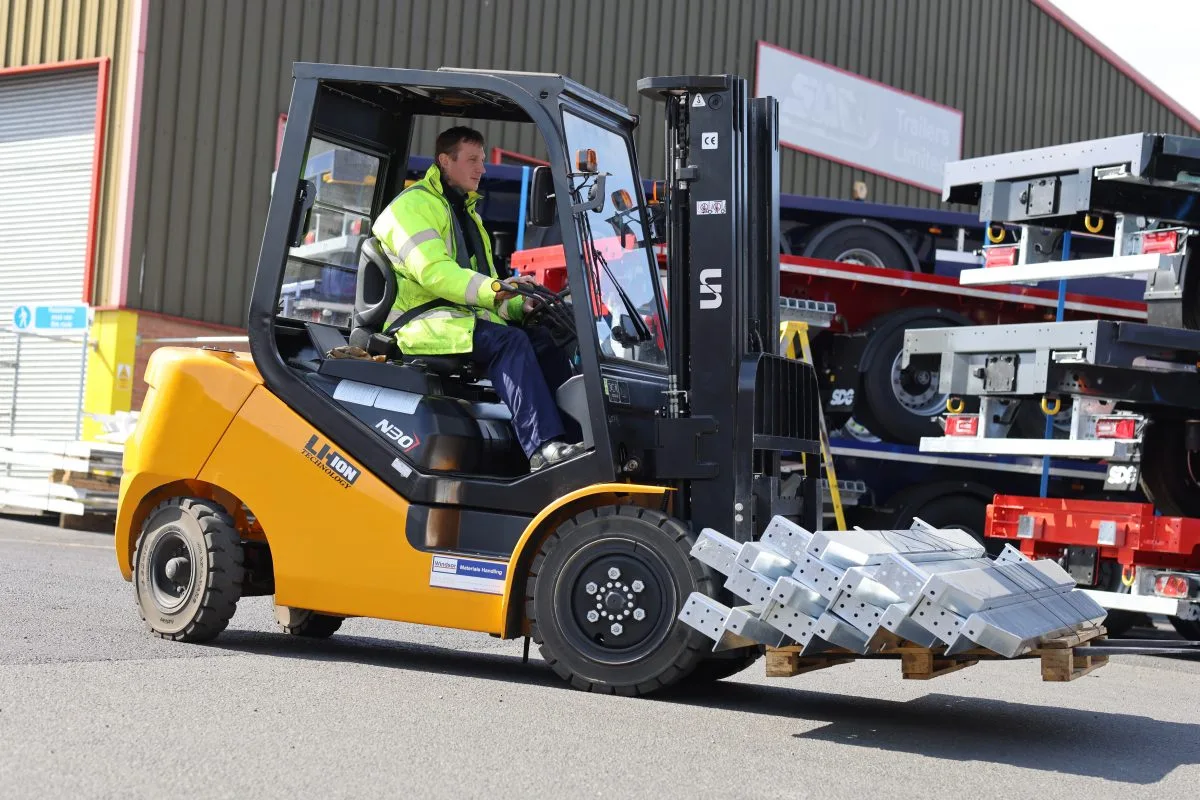
CUSTOMERS LOOKING at world events with increasing alarm now see electric forklift technology evolving to the point where it is a viable and often superior, alternative.
“Switching to electric is no longer just an environmental decision,” says Windsor’s managing director, Stephen Burton, “It’s a financial one.” The question is no longer can you switch but whether you can afford not to.
Why this shift is happening now
For years, diesel remained the default for demanding applications. Not because it was always the best option but because alternatives came with compromises. Now that’s changed.
Advances in battery technology, particularly lithium-ion, mean electric trucks can now operate across multiple shifts, deliver consistent performance and remove the need for spare batteries or downtime.
Diesel has also become harder to manage due to rising fuel costs, less predictability and long-term operating costs that are harder to control. What was once a stable choice is now a variable.
Most comparisons focus on fuel versus electricity, but this is possibly too simplistic, says Stephen: “The real difference is this, diesel introduces cost variability whilst electric introduces cost predictability, especially where customers have their own sources from solar panels or wind turbines.”
For operations running long hours or multiple shifts, that difference becomes significant over time.
At a busy UK port operation, diesel trucks had been the long-standing choice for outdoor handling. The challenge wasn’t performance, it was visibility. Fuel costs were fluctuating month to month, making it difficult to forecast operating spend. At the same time, maintenance requirements were increasing with utilisation, adding further unpredictability.
A review of the operation looked beyond the trucks themselves and focused on total cost over time.
The outcome is a phased transition to electric trucks in key areas, as well as the introduction of lithium-ion technology for high-utilisation equipment. A re-alignment of charging strategy with shift patterns has also helped, with the result delivering greater cost visibility as well as a reduction in fuel spend.
Reduced maintenance intervention and the removal of a layer of uncertainty from the operation were also cited as areas of improvement.
With a huge range of counterbalance, warehouse and cleaning equipment, plus specialist ports and terminals machinery, long load handlers and ancillary services, Windsor is well placed to gauge trends in the marketplace.

“Many decisions are still made on upfront price or familiarity,” adds Stephen. “And of course we still have a great deal of diesel truck customers. What can get overlooked is the total cost over the life of the truck, including maintenance requirements and downtime.”
The impact of fuel volatility on operating margins is also a factor. This is where the real financial difference sits not in the initial purchase.
Every operation is different. Usage patterns, environment, shift structure all of it matters. That’s why the decision shouldn’t be based on assumptions.
Windsor Materials Handling provides a clear, data-driven comparison of diesel and electric based on real operating conditions helping you understand where the tipping point really sits.
“If diesel costs are becoming harder to manage,” concludes Stephen, “it’s worth understanding what an electric alternative would look like in your operation. Not as a theory but as a like-for-like comparison. Because switching to electric isn’t just about changing equipment. It’s about taking control of your operating costs.”