
Charging infrastructure becoming a strategic warehouse asset
Toyota Material Handling UK says forklift charging infrastructure is becoming one of the most important assets in the modern distribution centre, as warehouses become increasingly electrified and automated.
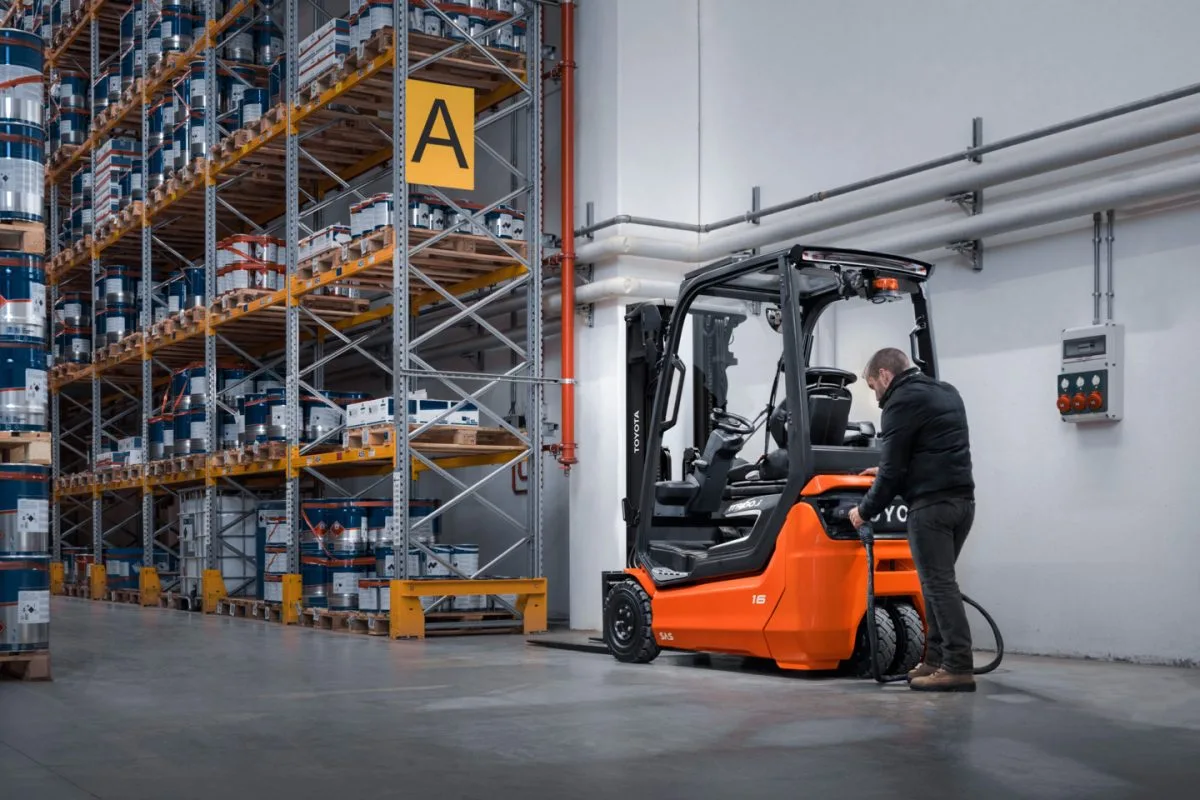
WAREHOUSES NOW depend on a growing range of electrically powered equipment, from lithium-ion forklift trucks and automated guided vehicles (AGVs) to automated storage and retrieval systems and conveyors. According to the company, many sites are discovering that their electrical infrastructure was never designed for this level of demand.
Peak charging during shift changes can strain site capacity, while grid upgrades are costly and can take months or even years. For highly automated sites, energy resilience is critical, as a power outage can bring operations to a complete standstill.
Rather than simply investing in higher-powered chargers, operators are adopting smarter charging strategies. Opportunity charging, where trucks and automated vehicles top up during short breaks, maximises equipment availability and reduces the need for large dedicated charging areas.
Smart charging management platforms go further, coordinating charging across an entire fleet. They can schedule charging when electricity is cheaper and avoid simultaneous peaks that overload site infrastructure and lead to costly demand charges.
Charging is also being linked with rooftop solar and battery energy storage systems, so that renewable energy generated during the day can be stored for use later. Looking further ahead, researchers are exploring how forklift batteries could one day supply power back into a site’s network during periods of peak demand.
Toyota expects charging infrastructure to become fully integrated with warehouse management and telematics systems, using predictive analytics to forecast energy demand and schedule charging against operational priorities and tariffs.