


 article
Don’t think your racking will collapse? Think again…
Warehouse owners and senior management teams often tell us that a racking collapse would never happen to them.
articleWarehouse owners and senior management teams often tell us that a racking collapse would never happen to them.
 article
Walk into any modern warehouse and there will be a large structure dominating the room – your racking. While the simple structure may look unremarkable, it just so happens to be doing one of the most important jobs, safely holding tonnes of stock above employees’ heads.
 article
A question we’re asked all the time at SEMA is whether warehouse teams can carry out their own repairs. After all, the racking looks like a simple structure and with an maintenance team on hand it will be quicker and cheaper than getting the professional in. SEMA president Nick Betteley reports.
 news
The course will be the first dedicated training programme aimed directly at warehouse owners and leadership.
 article
Picture the scene… your annual racking inspection is complete, the report issued, and you file it away – another compliance task ticked off. That’s until a damaged upright gives way and your stock crashes into an aisle injuring an employee.
 article
What would happen if there was an accident in your warehouse and someone got hurt?
 article
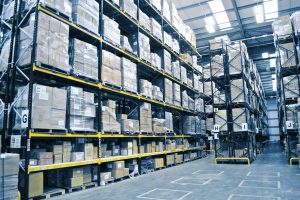
The pallet racking in your warehouse is one of the most significant investments you will make. Once it’s up and running, you expect it to work, last and pay for itself. Racking that’s properly designed, used safely and monitored correctly should last the lifetime of the business.
 article
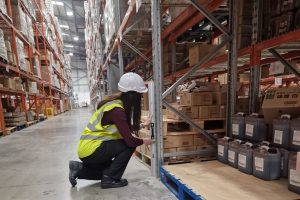
Your warehouse is a busy environment. Forklifts moving around, employees working hard to meet tight deadlines and amongst all this, pallet racking holding stock. It only takes a split-second impact from heavy loads or mechanical equipment, and your efficient warehouse potentially faces costly damage, safety risks and operational disruption.
 article
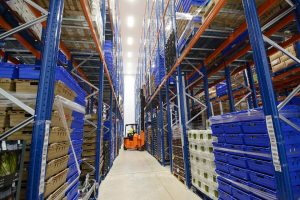
The warehouse of today is one we would not recognise from a decade ago. Automation, new ‘smart’ systems, growth in online sales and the need to hold more stock are putting warehouses under increasing pressure. Ensuring your warehouse operates at peak performance is crucial. Keeping up with these demands while also creating a safe workspace requires an approach that maximises every part of your warehouse, starting with the basics – your racking.
 news
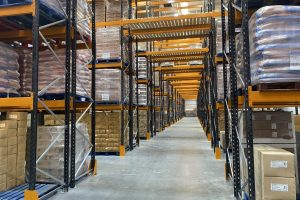
Every warehouse owner knows workplace safety matters. But as warehouse environments become busier than ever, with higher output, tight compliance, and new technologies, one critical area is often overlooked – your racking.
 article
 article
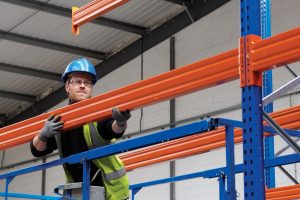
When you work with an industry-expert racking supplier or manufacturer, says SEMA, they will design a storage system that minimises stock damage, enhances stock flow, improves productivity and creates a safe working space.
 product
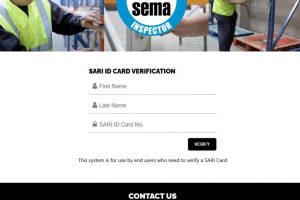
The Storage Equipment Manufacturers Association Ltd (SEMA) has made it even easier for warehouse owners and managers to check the credentials of a racking inspector with the launch of its SARI Verification tool.
 article
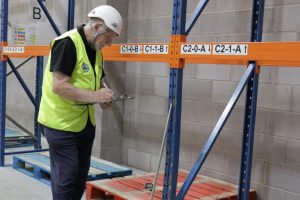
Here’s a fun fact – your racking is classed as work equipment. That means, under UK law, specifically the Provision and Use of Work Equipment Regulations (PUWER), you are responsible for maintaining the structure, says SEMA.
 article
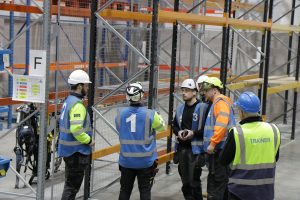
Are you having some racking installed? Have you checked whether your racking installers need a CSCS card?
 article
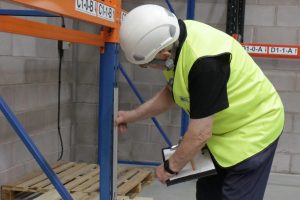
A question we’re frequently asked at SEMA is whether it’s okay to buy second-hand racking. After all, there are plenty of suppliers in the market offering the benefits of their ‘reliable’ second-hand racking, so surely it’s safe.
 article
SEMA poses some key questions to ask yourself if you want to keep your racking safe.
 article
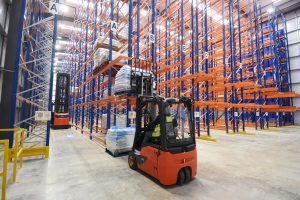
If you haven’t been trained for your warehouse job, then how can you do the tasks expected of you? It’s an important question to consider especially when you realise that the HSE Health and Safety at Work Statistics repeatedly places the logistics and storage industry in the top four most dangerous places to work.
 article
SEMA is on a mission – to help warehouse owners improve the safety of their racking.
 article
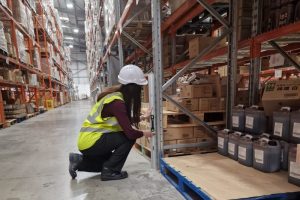
If you need an expert racking inspection but sure to check your inspector’s credentials cautions SEMA.

Western Business Media,
Dorset House, 64 High Street,
East Grinstead, RH19 3DE
01342 314 300
[email protected]
© Western Business Media, 2026. All rights reserved.